
Getting enough protein in your diet is vital for your health – with a whole host of benefits– and out of pure convenience, a lot of people choose to take protein powder as a way to supplement their intake. We’re big fans of the stuff, but there can be some uncomfortable digestive effects if you use one that your body doesn’t agree with. Bloating and gas is common with some protein powders, and can put people off using them altogether. But it doesn’t have to be this way: the problem doesn’t tend to be the protein itself – it’s what else is (or isn’t) in the powder.
In our opinion, the best protein powders are the ones that help you hit your macros, while also supporting your digestion and gut health. So, here’s what to look for when you’re protein powder perusing – and why it matters.
Why can protein powder cause digestive issues?
If you’ve never taken protein powders before or are early on into your journey with them, a high protein load can be hard for your gut to break down efficiently – especially at speed.
There are also some common culprits in some protein powders that can leave people bloated or uncomfortable, like lactose, certain artificial sweeteners, or high sugar alcohols. These can ferment in your gut if your body is unable to digest them properly, resulting in gas and bloating.
It can also be caused by the way you consume the shake, as well as the shake itself. Some people will drink protein shakes very fast to get them over and done with, but this can result in swallowing excess air in the process, which can lead to abdominal discomfort.
But luckily, all of these causes can be avoided without having to cut protein powders out completely. Ones formulated with gut health in mind can actively support digestion – and we’re here to help you find them.
What to look for in gut-friendly protein powders
To find a protein powder that will help and not hinder your gut health, there are a few things to bear in mind choosing which to buy.
- Digestive enzymes Some protein powders are fortified with digestive enzymes like DigeZime® (a clinically studied multi-enzyme blend), which helps break protein down into usable amino acids more efficiently. That means less bloating, better absorption, and lighter to digest; basically, this addition means you get more out of every scoop. (Psst, our Whey Protein 360 PLATINUM and GOLD formulations both contain this.)
- Protein source
Many people who suffer from post-powder bloating do so as a result of the lactose content in whey protein. Since it is derived from dairy products, whey protein can disagree with people who struggle to digest lactose. If this is the case, try whey isolate. This goes through additional filtration which strips out most of the lactose. And if this still bloats you, plant-based protein like pea or rice might be the move.
- Clean ingredient list
If you’re going for straight protein powder, look for a short ingredients list. Of course, when the powder is fortified with other minerals, enzymes and vitamins, that list is bound to be bigger. But whichever you choose, the same rule applies: the fewer artificial sweeteners and sugar alcohols, the better – especially if you know your gut is sensitive
- Added vitamins and minerals
Many protein powders have added gut-supportive nutrients in their formulation, which can help make digestion easier and avoid discomfort. Some worth mentioning are B vitamins (which support energy metabolism and the gut lining), zinc (which supports immunity and gut integrity), and vitamin D (which has been shown in research to regulate the gut microbiome).
- No unnecessary fillers
If you know you have a sensitive digestive system, thickeners, anti-caking agents and excessive emulsifiers can lead to irritation. Ingredients like xanthan gum are normally fine for the average person, but for sensitive guts, they can cause trapped gas and other discomfort. If you’re worried about this, a simpler formula might be better for you.
Can protein powder actually help gut health?
You might be wondering if protein powder can actively help your gut health, or if all of this is just to avoid harming it. Well, it’s a bit of both.
A well-formulated protein powder won’t transform your gut overnight if you’re struggling with digestion. However, it can absolutely support better digestion in your day-to-day after consistent use. Adequate protein supports tissue repair across your entire body – and this includes the gut lining. So, if you’re fuelling your body right, chances are your gut will be getting that treatment too.
When it comes to protein powders with added digestive enzymes, it’s a win on both sides. Better digestion equals more protein actually reaching your muscles, so it’s good for performance and gut comfort.
How to fix bloating caused by protein powder
If you’re experiencing digestive discomfort from your protein powder, there are a few things you can do to hopefully alleviate it.
- Switch the protein type: dairy might be the issue if you’re using a whey concentrate. Try switching to a blend or a whey isolate, or a plant-based protein like pea or rice.
- Check the label: see if there are any ingredients that might be disagreeing with you, like sweeteners or thickeners, and try one without these to see if it’s easier on your gut.
- Sip, don’t chug: if you’re one to down your shakes in one, see if drinking it slowly over 10-15 minutes helps your bloating problem. You might be surprised.
- Reduce the serving size: try halving your portion each day to see how your body digests a smaller amount of protein. You might just be coming on too strong.
The best protein powder for gut health
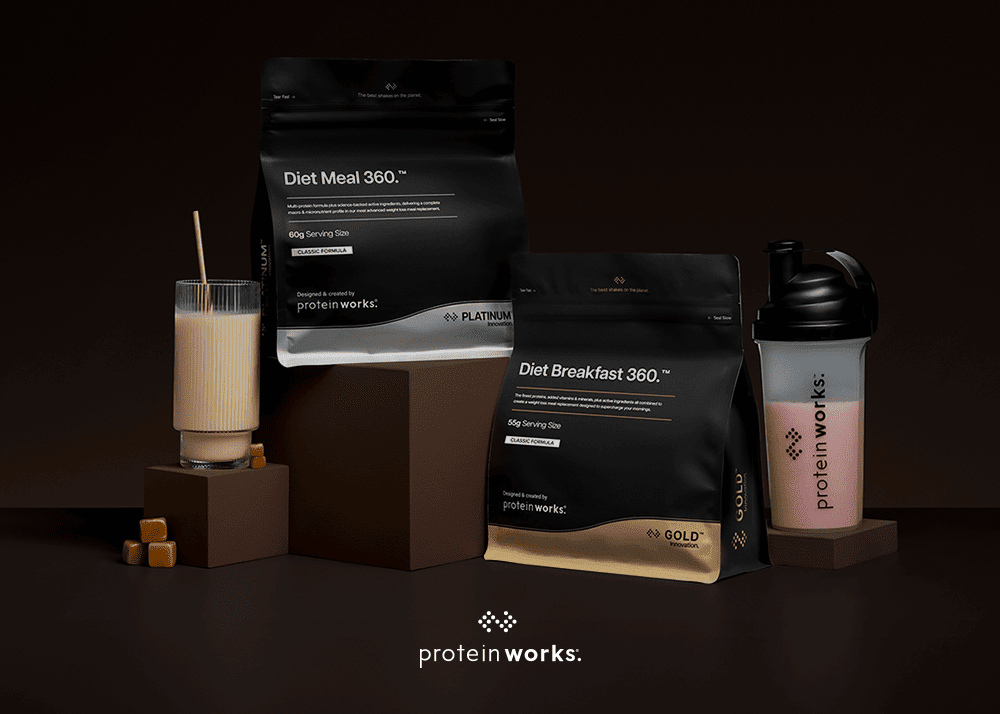
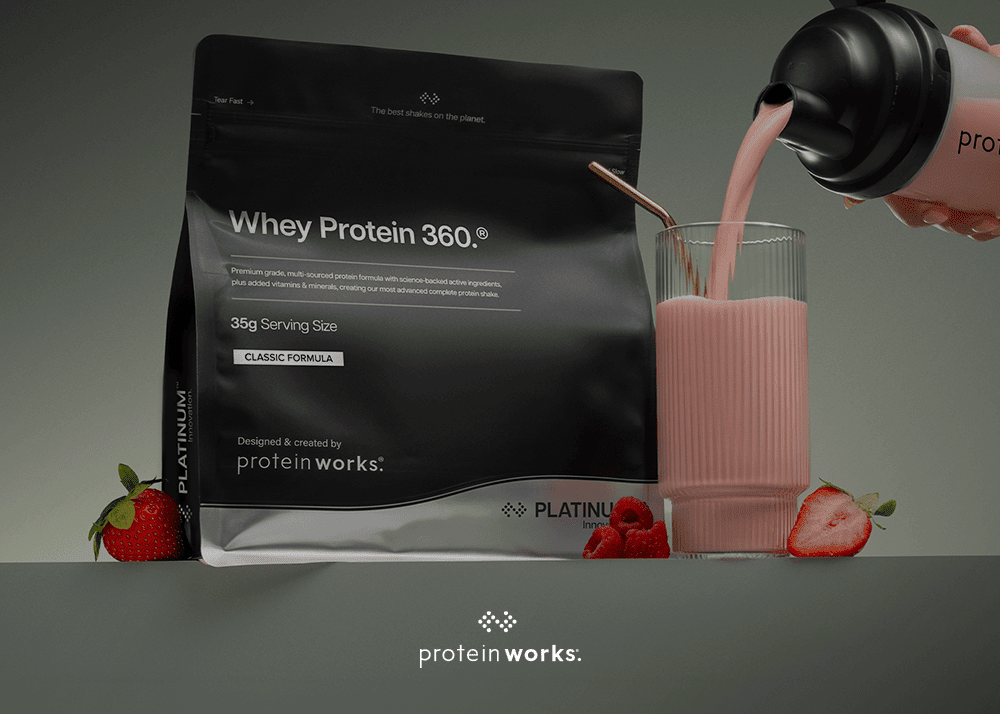
We’re well aware of the most common problems caused by protein powder, including digestive discomfort, bloating and gas. So we’ve done something about it. While we have a large variety of protein powder options, from vegan protein to diet protein, our Whey Protein 360 GOLD and Whey Protein 360 PLATINUM are perfect for those who are struggling with their gut health. Both of these formulations contain DigeZyme® digestive enzyme blend, added vitamins and minerals, and a high quality protein blend.
Our Whey Protein 360 – GOLD also has 87 approved health benefits, with 12 added vitamins and minerals. The perfect option for a classic protein shake formulation.
Our Whey Protein 360 – PLATINUM shake has all that and more. Added probiotics, supporting the gut microbiome, 26 added vitamins and minerals, and 166 approved health benefits. It’s good stuff.
So, if your current protein powder is leaving you feeling heavy, it might be time to switch it up. Start slow with new products and let your body get used to it. Additionally, take note of which ingredients might be causing trouble. Changing just one small thing can make a big difference.
Shop our range of protein powders here.