
Working through the night can make even a normally straightforward eating routine feel difficult.
Breakfast might happen at 5pm. Lunch could be eaten at midnight. The end of a shift may leave you deciding whether to eat before bed, wait until you wake up or grab whatever is available on the journey home.
For night-shift workers, maintaining a healthy routine is therefore not simply about choosing nutritious foods. It is also about deciding when to eat, planning around sleep, managing caffeine and hydration, and making sure convenient options are available when normal cafés, shops and canteens may be closed.
A practical night-shift nutrition routine should usually focus on a few basic principles:
- Keep some structure to your meals even when the clock changes
- Eat balanced meals containing protein, carbohydrates, healthy fats, fibre and micronutrients
- Use lighter meals or snacks during the night if larger meals leave you sluggish
- Plan food before starting the shift
- Drink water regularly
- Use caffeine strategically rather than continuously
- Avoid relying on sugary snacks for repeated energy boosts
- Keep meals before sleep relatively comfortable and easy to digest
- Have convenient balanced options available for shifts when cooking is unrealistic
There is no perfect meal schedule that works for every night worker.
A nurse working three 12-hour nights each week may need a different routine from a warehouse worker on permanent nights or someone rotating between early, late and overnight shifts.
The goal is to create a pattern you can realistically repeat.

Why Does Night-Shift Work Make Eating More Difficult?
Your schedule may say it is lunchtime, but your body still responds to patterns of light, sleep and wakefulness.
Working overnight changes the relationship between your working hours, sleep and normal meal times.
That can affect appetite.
Some people feel unusually hungry during a night shift. Others have very little appetite at 2am but become extremely hungry when the shift finishes.
Night work can also make convenience a bigger factor.
During a daytime working routine, you may have access to supermarkets, cafés, restaurants, workplace catering and normal family meal times.
At 3am, the available options may be limited to:
- Vending machines
- Takeaways
- Petrol station food
- Sweets
- Crisps
- Energy drinks
- Whatever was packed before work
If you have not planned ahead, the environment can start making your food decisions for you.
Should Night-Shift Workers Eat During the Night?
Many night workers will need to eat something during a long shift.
The better question is often not whether you should eat, but what you eat and how much.
A very large, heavy meal in the middle of the night may leave some people feeling uncomfortable or sleepy.
Instead, you may find it easier to have your more substantial meals around the beginning and end of your waking period, while using smaller meals or snacks during the shift.
For example, someone working from 7pm until 7am might choose:
- A balanced meal before starting work
- A lighter meal during the first half of the shift
- A planned snack later in the night
- A light meal or breakfast after work if hungry
That is only an example.
Your work demands, break times, sleep pattern and appetite should shape the routine.
The important point is to avoid drifting through the night with no plan and then reaching for high-sugar or high-fat convenience foods whenever energy drops.
Build Your Eating Routine Around Your Wake Time, Not Just the Clock
Traditional meal names can become confusing on night shifts.
If you wake at 4pm, is your first meal breakfast or dinner?
It does not really matter.
Instead of forcing your routine into conventional breakfast, lunch and dinner times, think in relation to your waking period.
You could structure your day as:
Meal 1: After waking
Meal 2: Before or near the beginning of your shift
Meal 3: A lighter meal or substantial snack during work
Meal 4: A light meal before sleep if you need it
This can make planning easier because you are building around your actual routine rather than trying to eat as though you work from nine to five.
What Should a Balanced Night-Shift Meal Look Like?
The fundamentals of a balanced diet do not suddenly change because you work at night.
A useful meal can still combine:
Protein
Sources might include:
- Chicken
- Fish
- Eggs
- Greek-style yoghurt
- Cottage cheese
- Beans
- Lentils
- Tofu
- Protein-rich meal products (Like Savoury SuperMeals)
Protein can help make meals more satisfying and supports the maintenance and health of muscle as part of an appropriate overall healthy lifestyle.
Carbohydrates
Options can include:
- Rice
- Potatoes
- Oats
- Wholegrain bread
- Pasta
- Fruit
- Other grains
Carbohydrates are an important source of energy and can form part of meals eaten before or during physically and mentally demanding shifts.
Fruit and vegetables
These provide fibre as well as a broad range of vitamins and minerals.
Convenient options can include:
- Fresh fruit
- Frozen vegetables
- Prepared salad
- Vegetable soups
- Pre-cut vegetables
Healthy fats
Sources such as nuts, seeds, avocado and certain oils can contribute to a balanced diet.
The aim is not to construct a perfect plate at 2am.
It is to make sure that convenience does not consistently mean nutritionally limited food.
Why Lighter Meals Can Work Well Overnight
A night shift is probably not the ideal time to discover that an enormous meal makes you want to sleep at your desk.
Large, rich or heavily fried meals can feel uncomfortable, particularly when eaten during the hours when you would normally be asleep.
A lighter meal might include:
- A chicken and rice bowl
- Soup with wholegrain bread
- Yoghurt with fruit and oats
- A wrap with a protein filling and salad
- Overnight oats
- A balanced complete meal replacement shake
- Eggs with toast and vegetables
“Lighter” does not have to mean nutritionally poor or tiny.
It simply means choosing something that provides useful nutrition without leaving you feeling excessively full during the shift.
Plan Food Before Your Shift Starts
One of the most useful habits for night-shift nutrition is deciding what you are going to eat before arriving at work.
If you wait until 2am to make the decision, your choices may be whatever is closest, quickest or available.
Try planning:
- Your main pre-shift meal
- One meal for your break
- One or two snacks if required
- Water
- Any caffeinated drinks you intend to use
This does not require several hours of Sunday meal preparation.
Simple planning could mean taking:
- A ready-made balanced meal
- Fruit
- Yoghurt
- Nuts
- A sandwich or wrap
- A complete meal shake
- A shaker with a pre-portioned protein powder
- Overnight oats
The best plan is one you will actually maintain.
You Do Not Need to Meal Prep Seven Boxes of Chicken and Rice
Nutrition advice for shift workers can quickly become unrealistic.
Not everyone wants to spend their day off cooking multiple identical meals.
Someone working nights may already be balancing:
- Sleep
- Childcare
- Commuting
- Training
- Household responsibilities
- Social commitments
- Several consecutive long shifts
Convenience matters.
A useful approach is to have different levels of preparation available.
When you have time
Cook a balanced meal and take a portion to work.
When you have a few minutes
Prepare a wrap, yoghurt bowl, overnight oats or simple sandwich.
When you have almost no time
Use a convenient nutritionally balanced option that can be prepared quickly.
Consistency usually matters more than trying to follow a complicated routine that lasts for three days before becoming impossible.
Complete Meals Can Have a Place in a Night-Shift Routine
A complete meal product can be particularly practical for workers who do not always have access to cooking facilities or long breaks.
A complete meal is different from a standard protein shake.
Protein powder is primarily designed to provide protein.
A nutritionally complete meal is formulated to provide a broader combination of:
- Protein
- Carbohydrates
- Fats
- Fibre
- Vitamins
- Minerals
That can make complete meals useful as a convenient meal option when eating a normal balanced meal is difficult.
They do not need to replace every meal.
A night-shift worker might have normal food before work and use a complete meal during a short overnight break when the alternative would otherwise be skipping the meal or buying whatever happens to be available.
Do Not Confuse Convenience With Poor Nutrition
Convenient food is not automatically unhealthy.
The important distinction is between convenience that helps you meet your nutritional needs and convenience that repeatedly leaves major gaps.
Fruit is convenient.
Yoghurt is convenient.
Nuts are convenient.
A balanced sandwich can be convenient.
A complete meal shake can be convenient.
Frozen vegetables are convenient.
The idea that every healthy meal must be freshly cooked from individual ingredients can make maintaining good habits unnecessarily difficult.
For night workers, convenience can actually be one of the tools that makes consistency possible.
What Are Good Night-Shift Snacks?
Useful snacks should be easy to carry and easy to eat during a limited break.
Depending on your preferences and dietary needs, ideas can include:
- Fruit
- Greek-style yoghurt
- Nuts
- Oat-based snacks
- Wholegrain crackers
- Boiled eggs
- Vegetable sticks
- Hummus
- A small sandwich
- Protein-rich snacks
Your snack choice should also take account of what the rest of your diet looks like.
If your meals already contain plenty of protein but very little fruit and vegetables, adding another high-protein snack may be less useful than choosing fruit.
Nutrition works as a complete daily pattern.
Be Careful With the 3am Sugar Cycle
The middle of a night shift is often when energy and alertness feel hardest to maintain.
That can make sugary snacks tempting.
A chocolate bar, sweets or sugary drink can provide quick energy, but relying on them repeatedly is unlikely to create a particularly balanced routine.
The pattern can become:
Feel tired.
Eat sugar.
Feel temporarily better.
Energy drops again.
Reach for more sugar or caffeine.
Instead, bring food that provides more sustained nutrition and use sweet foods as part of the diet rather than as your main strategy for getting through the shift.
Hydration Matters During Night Shifts
It is easy to confuse tiredness with the need for another coffee.
Sometimes you may simply have gone several hours without drinking enough water.
Keep water accessible where your workplace allows it and drink regularly during the shift.
Your needs can change depending on:
- Temperature
- Physical workload
- Body size
- Exercise
- How much you sweat
- Other drinks and foods you consume
There is no advantage to forcing excessive amounts of water.
The practical goal is simply to avoid reaching the end of a long shift having barely drunk anything other than coffee or energy drinks.
Caffeine Can Help, but Timing Matters
For many night workers, caffeine is part of the routine.
Coffee, tea and other caffeinated drinks can temporarily improve alertness.
The problem is that caffeine can still be affecting you when the shift is finished and you are trying to sleep.
Drinking large amounts throughout the entire night can create a frustrating cycle:
You use caffeine to stay awake at work.
The caffeine makes it harder to sleep after work.
You wake feeling tired.
You need more caffeine during the next shift.
A more deliberate approach is to use caffeine earlier in the working period and reduce or stop intake far enough ahead of your intended sleep time.
Exactly how caffeine affects you varies between individuals.
The important thing is to consider not just whether caffeine helps you at 2am, but whether it is still affecting you when you want to sleep at 8am.
Remember That Energy Drinks Can Contain More Than Caffeine
Energy drinks can be easy to reach for during night work, but check what you are actually consuming.
Depending on the product, a drink may provide substantial caffeine and sugar.
If you drink several across one shift, the total intake can build quickly.
Try to think about caffeine across the whole shift rather than treating each drink separately.
Coffee, tea, cola, energy drinks and some supplements can all contribute to your total intake.
What Should You Eat After a Night Shift?
Finishing work can produce two completely different reactions.
Some people are ravenous.
Others cannot imagine eating anything.
If you are planning to sleep shortly after arriving home, a very large meal may not feel comfortable.
If you are hungry, a lighter meal can help you avoid going to bed with an empty stomach.
Options might include:
- Porridge
- Yoghurt and fruit
- Toast and eggs
- A small bowl of cereal with milk
- A light complete meal
- A simple sandwich
The aim is to satisfy hunger without creating a huge meal immediately before sleep.
If you are not hungry and your overall intake has been adequate, you do not necessarily need to force a large breakfast simply because the clock says morning.
Protect Sleep as Part of Your Nutrition Routine
Food cannot compensate for consistently inadequate sleep.
Night-shift workers can sometimes become focused on finding the perfect snack, supplement or caffeine strategy while overlooking the importance of their sleep routine.
If you regularly finish work exhausted, use large amounts of caffeine, sleep poorly and then repeat the pattern, changing your lunch alone is unlikely to solve everything.
Nutrition and sleep influence one another.
Eating a very heavy meal immediately before bed may disturb sleep for some people.
Caffeine too close to bedtime can make sleeping more difficult.
Going to bed extremely hungry can also be distracting.
Your eating routine should therefore support your sleep routine rather than compete with it.
Consistency Does Not Mean Eating at Exactly the Same Time Every Day
Night-shift workers, particularly those on rotating schedules, may not be able to maintain identical meal times seven days a week.
That is normal.
Instead of chasing perfect timing, aim for consistency in habits.
For example:
- Eat after waking
- Plan a balanced meal before work
- Take food with you
- Keep water available
- Use caffeine earlier rather than immediately before sleep
- Avoid making vending-machine food your default meal
- Have an easy option available for difficult shifts
Those habits can continue even when the exact clock times change.
That is what makes the routine sustainable.
What If Your Shifts Rotate?
Rotating shifts can be harder to manage than permanent nights because the routine keeps changing.
Trying to force identical meal times every day is unlikely to be realistic. A better approach is to keep the same basic structure even when the clock moves:
- Eat a balanced meal after waking
- Have another substantial meal before or early in the shift
- Take a lighter meal or snack for later
- Keep water available
- Plan caffeine around when you intend to sleep
- Keep a convenient backup meal available
The exact times can change while the structure remains familiar.
This gives you something repeatable without expecting every workday to look the same.
What Should You Eat on Days Off?
Days off can create another challenge.
Some night workers switch back to daytime eating immediately. Others keep a later schedule, especially if another night shift is coming soon.
There is no need to make this complicated.
Focus on balanced meals that suit your waking hours. If you are awake during the day, that may mean breakfast, lunch and dinner. If you keep a later schedule, organise meals around when you wake, train and sleep.
The basics remain the same: include protein, carbohydrates, fruit and vegetables, healthy fats and regular fluids.
Consistency does not require identical clock times every day.
How Should Night-Shift Workers Eat Around Training?
If you exercise as well as work nights, decide whether you prefer to train before or after your shift.
Training before work may suit people who feel more energetic after waking. Training after a long night shift may be less appealing if it delays sleep.
Whichever option you choose, plan food around it.
A meal or snack containing carbohydrates and some protein before training can be useful, followed by a balanced meal afterwards as part of your overall diet.
The key is to avoid creating a schedule where work and exercise leave you constantly trying to catch up on food.
Can You Lose Weight or Build Muscle While Working Nights?
Yes.
Night work does not remove the basic principles of weight management or muscle gain.
If weight loss is your goal, overall energy intake still matters. Planning can help reduce patterns such as grazing through the shift, relying on sugary drinks or eating a very large meal after work because you barely ate overnight.
If you are trying to gain weight or support muscle growth, irregular appetite can create the opposite problem. Smaller meals and convenient snacks may make it easier to eat enough without forcing a huge meal in the middle of the night.
For people who train, maintaining an appropriate overall protein intake and enough energy for their goal matters more than finding a special night-shift food.
Protein Shakes and Complete Meals Are Not the Same Thing
A protein shake can be useful when you want a convenient source of protein.
But it should not automatically be treated as a complete meal.
Protein powder is primarily designed to provide protein.
A complete meal product is designed to provide a broader nutritional profile, usually combining protein with carbohydrates, fats, fibre and micronutrients.
If you have already eaten a balanced meal and simply want extra protein, a protein shake may suit you.
If you have no practical way to eat a normal meal during your shift, a nutritionally complete meal may be more appropriate than using protein powder alone and calling it dinner.
Build a Simple Night-Shift Food Kit
Keeping a few reliable foods at work can make difficult shifts much easier.
Depending on your workplace, that could include:
- A reusable water bottle
- A shaker
- Pre-portioned complete meal powder
- Protein powder if it suits your goals
- Oats
- Nuts
- Fruit
- Wholegrain crackers
- Long-life snacks
Then add fresh food before each shift.
The purpose is not to build an elaborate meal-prep system. It is to make sure forgetting lunch does not automatically leave you dependent on a vending machine.
Work With the Facilities You Actually Have
A good nutrition plan needs to fit your workplace.
Ask yourself:
- Is there a fridge?
- Can you heat food?
- How long are your breaks?
- Are breaks predictable?
- Can you eat at your workstation?
- Is drinking water readily available?
Someone with a staff kitchen and a long break has very different options from someone working alone at a remote site.
If you cannot heat food, choose meals that work cold. If breaks are short, take something quick to eat. Practicality is part of building a sustainable routine.
A Simple Example Night-Shift Routine
For someone working 7pm to 7am and sleeping roughly 9am to 4pm, a routine might look like this:
4:30pm: Balanced meal after waking
6:30pm: Small snack if needed
10:30pm: Main work meal
2:00am: Lighter meal or planned snack
Early shift: Caffeine if wanted
Later shift: Reduce caffeine as sleep approaches
Throughout shift: Water
7:30am: Light meal after work if hungry
This is only an example.
The useful principle is that the eating pattern is planned before the shift begins rather than decided when you are already tired and hungry.
Common Night-Shift Nutrition Mistakes
Some habits are especially easy to fall into when working overnight.
Skipping food for most of the shift can leave you excessively hungry later.
Living entirely on snacks can make it harder to build balanced meals.
Drinking caffeine until the end of the shift may interfere with sleep.
Relying on takeaways every night removes much of your control over your routine.
And an ambitious meal-prep plan is not useful if you dislike it enough to abandon it after a week.
Aim for a routine that is realistic, not perfect.
Review What Actually Works
After trying a routine for a week or two, look at what happened.
When were you most hungry?
Which foods were easy to eat?
Were you drinking caffeine too late?
Did you pack enough food?
Was your post-shift meal comfortable before bed?
Small adjustments can make the routine much easier to maintain.
The best night-shift nutrition plan is usually one that fits your appetite, workplace and sleep schedule well enough to repeat.
Make Night-Shift Nutrition Easier With Protein Works
Night-shift nutrition does not need to mean preparing a week’s worth of identical meals or forcing yourself to eat at conventional times.
A useful routine is one that works with your actual life.
Plan meals around when you wake, work and sleep. Take food with you before the shift begins. Keep hydration in mind. Use caffeine strategically. Choose lighter options if large overnight meals do not suit you, and keep convenient balanced nutrition available for the shifts when cooking is not realistic.
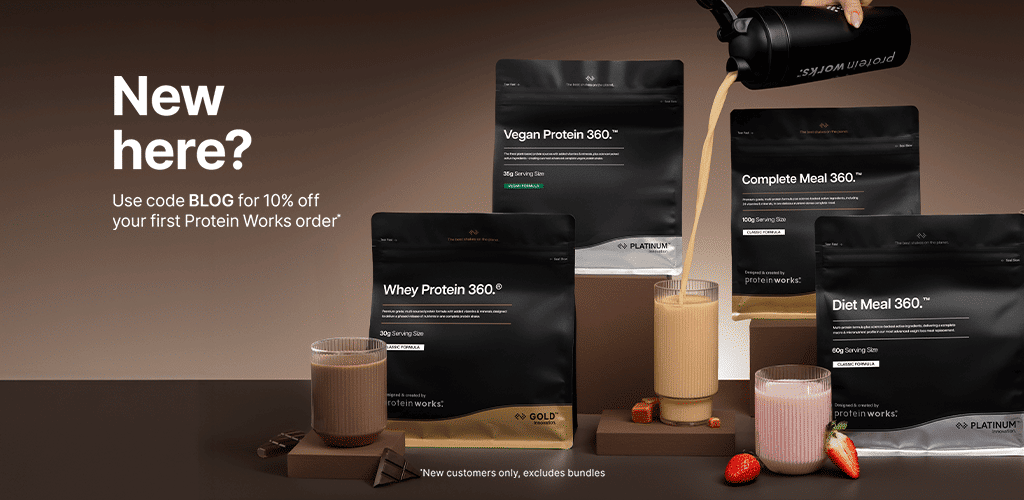
Protein Works offers convenient nutrition options for people building routines around busy schedules, including protein products and Complete Meal 360 options designed to provide a broader combination of protein, carbohydrates, fats, fibre, vitamins and minerals.
Whether you need a practical meal for a short overnight break, an easy option before work or something reliable to keep available for nights when plans change, explore The Protein Works range and build a nutrition routine that fits around your shift rather than fighting against it.


Frequently Asked Questions
What Should Night-Shift Workers Eat to Maintain a Healthy Routine?
Aim for balanced meals containing protein, carbohydrates, healthy fats, fibre, fruit and vegetables, while planning food around your waking hours and breaks. Lighter meals and convenient balanced options can be useful overnight when large meals feel uncomfortable.
Is It Unhealthy to Eat During a Night Shift?
Not necessarily. Many people working long overnight shifts will need food. The important factors are your overall diet, meal size, timing, individual comfort and whether your routine supports adequate sleep.
What Is the Best Meal to Take on a Night Shift?
There is no single best meal. Practical choices can include rice or grain bowls, wraps, soup, yoghurt with oats and fruit, sandwiches or a nutritionally complete meal when normal food is inconvenient.
When Should Night-Shift Workers Stop Drinking Caffeine?
Caffeine can remain in the body for hours, so drinking it close to your planned bedtime may interfere with sleep. Many night workers find it useful to use caffeine earlier in the shift and reduce or stop it as sleep approaches.
Are Protein Shakes Good for Night-Shift Workers?
They can be useful as a convenient source of protein, particularly if you train or struggle to meet your protein needs through food. A protein shake is not necessarily a complete meal, so choose it according to what your wider diet requires.
Are Complete Meal Shakes Useful for Night Shifts?
They can be. A complete meal shake can provide a convenient combination of protein, carbohydrates, fats, fibre, vitamins and minerals when cooking, refrigeration or long meal breaks are not practical. They can sit alongside normal food rather than replacing every meal.