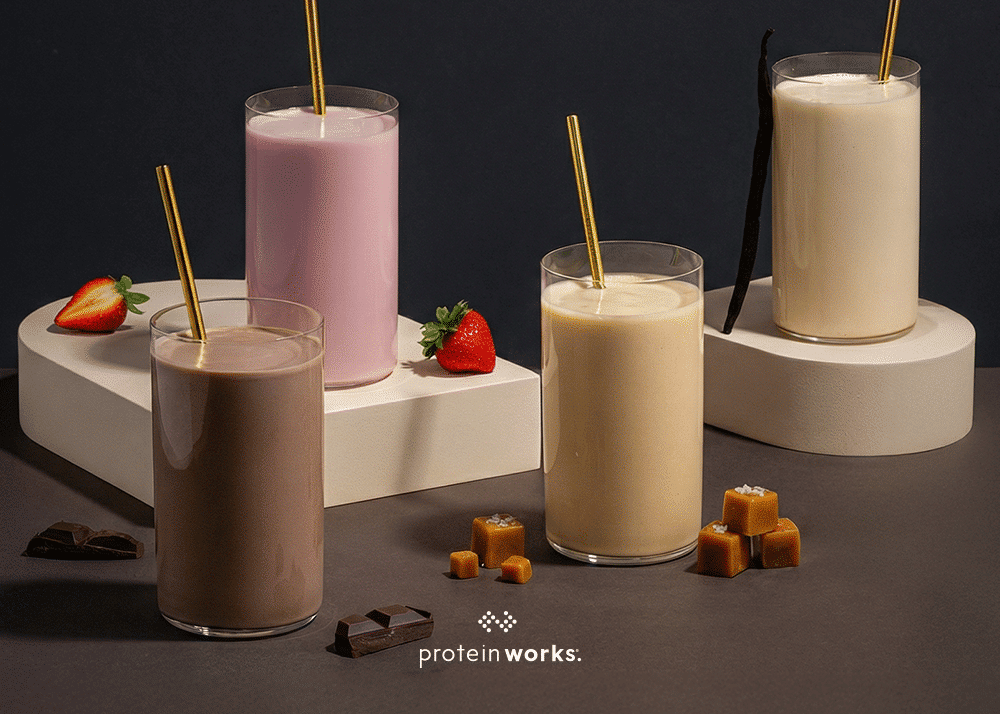

Protein is being highlighted everywhere you look. Shakes, bars, yoghurts, even cereals are now being lauded for their high protein content. But is it really that important to our health and wellness – and do we need powder supplements to reach our goals? We’re here to set the record straight once and for all, and explain why although protein is a vital macronutrient to focus on, is the importance of protein powders being blown out of proportion? Is protein powder overrated? Lets get into it.

What actually is protein powder?
A concentrated protein extracted from food sources, protein powder is the macronutrient in its most singular form.
It can be derived from many different sources, giving it a slightly different effect or suiting different diets, including:
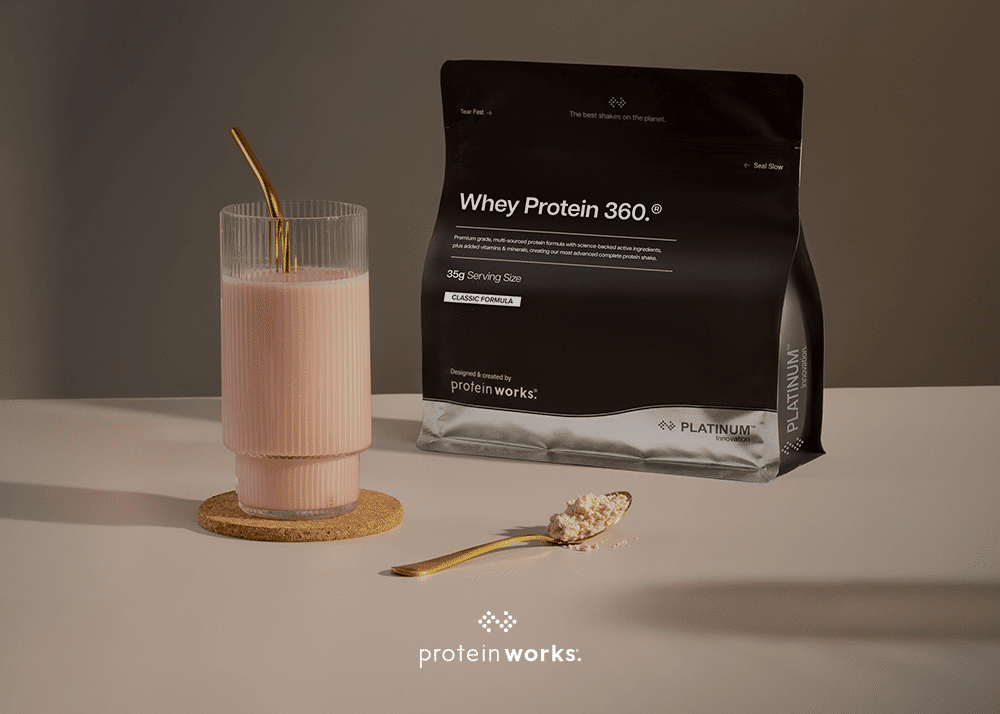
Whey protein: a complete protein derived from milk and rich in leucine (great for kickstarting muscle repair).
Casein protein: also derived from milk, but digests more slowly, releasing amino acids gradually through the day.
Plant based protein: a complete amino acid profile derived from things like pea, soy, rice or hemp, and the go-to for vegans or anyone avoiding dairy
Egg white protein: a complete, dairy-free animal based option for people who are intolerant to milk proteins.
Once extracted, the protein is turned into a powder form that we can easily mix into a quick shake or add into recipes, upping our daily protein intake with just one or two scoops. It’s so simple, but is it necessary?
How much protein do we actually need?
The general advice for adults in the UK is 0.75g of protein per kg of bodyweight. This has been the advice for decades – and on average, we are already eating more than that each day. So, according to the British Nutrition Foundation, most of us don’t actually need to supplement our protein intake.
However, there are still exceptions to this; many people might struggle to meet their recommended protein amount. Vegetarians and vegans, for example, can struggle to hit their protein target without consciously making an effort through their diet – especially since most UK protein comes from meat products (34%) and dairy (13%).
Additionally, the daily protein intake recommendations for active individuals increase to 1-2 – 2.2g per kg of bodyweight. Furthermore, older adults can also benefit from higher protein intakes to help prevent sarcopenia, the age-related loss of muscle mass, strength and function.
So, with this all in mind, we can say that you need to be eating at least 0.75g of protein per kg of bodyweight, and then taking into consideration any other factors that might up your requirements.
Getting protein from whole foods
To ensure we’re getting a full nutritional profile to fuel our body well long into the future, prioritising whole foods is always our top recommendation. And reaching your protein goals can be simple with whole foods, with foods like eggs, yoghurt, beans, lentils, fish, chicken and nuts being high-protein options that are also packed with other great nutrients. These whole foods are great at helping you feel fuller for longer, and can be swapped into your diet easily: greek yoghurt at breakfast, beans or lentils at lunch, fish or chicken for dinner, etc.
Read our guides on the best easy and cheap protein sources & the best high protein snacks.
However, while whole foods are the top choice, it’s not always possible to get all your protein from them alone. This is where protein powder really does earn its keep.
Getting protein from protein powder
We know that it’s not always realistic to cook yourself up a high-protein, whole food meal. Busy schedules get in the way, low energy and appetite makes it an overwhelming task, or intensive training means you’d need to be in the kitchen every single hour of the day. In these scenarios, protein powder comes in clutch. Whipping up a quick shake takes seconds and gives you a huge chunk of your daily protein requirements in one go.
Protein powder is the perfect option for on-the-go, low appetites, and vegetarian or vegan diets – or when you simply want something easy and tasty!
All-in-all, it’s a quick, portable, and easy to measure way to prop up your daily protein targets. And if it makes it easier for you to hit them, we’re all for it.
The ‘more is better’ trap
With all this talk of protein, it can be easy to fall into the trap of thinking as much protein as possible is the healthiest thing you can do. However that is not the case – the healthiest thing you can do is eat balanced diet. This includes sufficient carbohydrates, fats and a full micronutrient profile. Unless you are going after a specific goal, you shouldn’t sacrifice these other nutrients in the pursuit of as much protein as possible.
That said, if you’re living an active lifestyle, find yourself slacking on busy days, or aren’t hitting the recommended protein amount through whole foods alone, powders can be an invaluable way of supporting your body.
The verdict: is protein powder overrated?
In a word, no – protein powder is not overrated.
Protein powder can be a helpful way to reach your protein goals if you’re struggling with whole foods alone.
However, it’s important to note that it’s a top-up, not a foundation. Protein shakes are not meal replacements, they’re supplements. Ask yourself if you hit your protein goals at meals, or if there’s a time or appetite barrier. If you’re not hitting them, protein powder just might be the fix.
Looking for a protein supplement to suit you? Our protein powder range includes a wide variety, from plant-based to premium whey – all science-backed and expert formulated.