
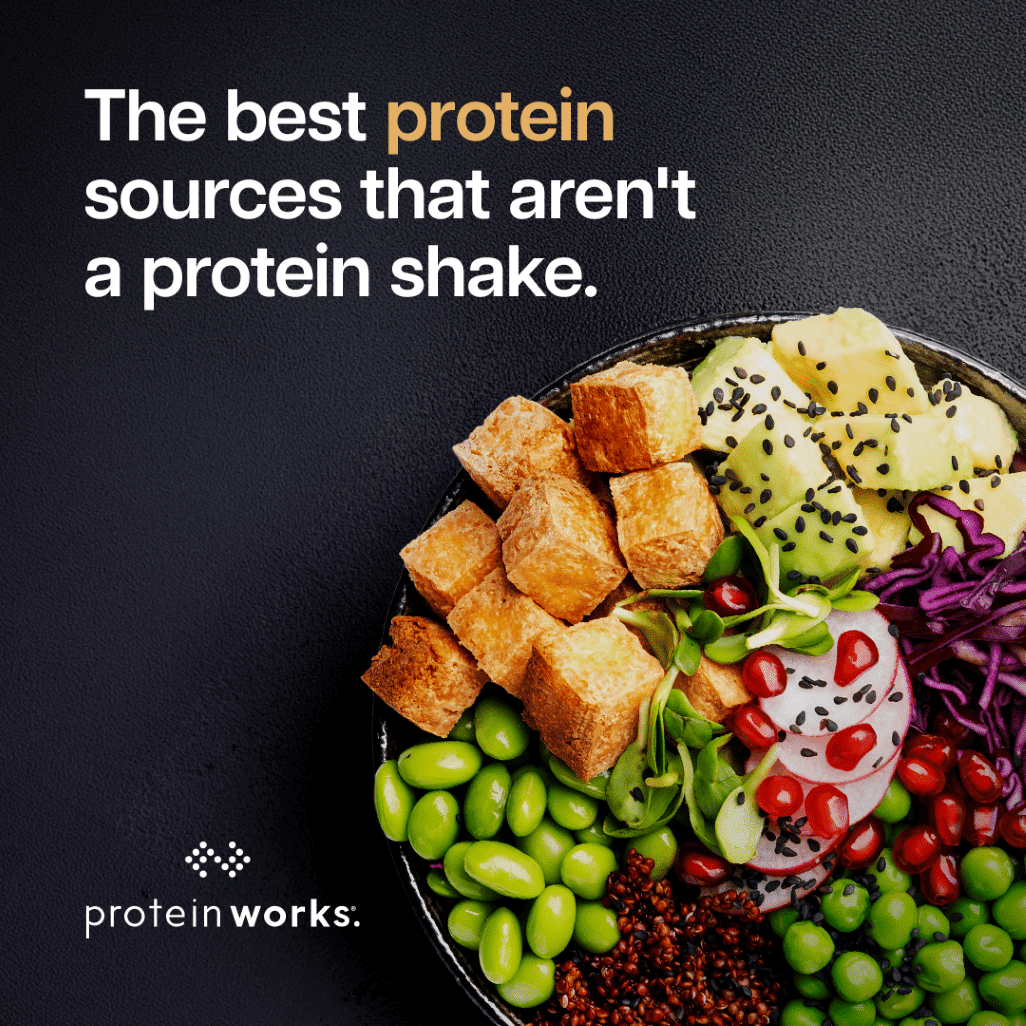
Protein shakes and protein powders may be one of the most convenient ways to increase your protein intake, but they’re far from the only option. Whether you’re a meat eater, vegetarian or vegan, there are plenty of protein-rich foods to choose from to help you meet your daily needs. In this guide we’ll explore 14 of the best protein sources that aren’t protein shakes, before looking at where shakes fit into a healthy, balanced diet.
1. Chicken
Chicken is a popular source of animal protein for those looking to increase their protein intake. It’s lean, protein-dense and incredibly versatile, and it also tends to be one of the most affordable protein sources when it comes to meat. One chicken breast contains around 32.1g protein per 100g.[1]
2. Pork
Pork is another leading source of animal protein, providing 31g protein per 100g.[2] It’s also one of the best dietary sources of thiamin (vitamin B1), which supports energy production and nervous system function.[3]
3. Lean Red Meat
While it’s recommended to limit your intake of red meat (the NHS guideline is no more than 70g per day on average), lean, unprocessed cuts can still be a nutritious part of a balanced diet.[4] As well as providing high-quality protein, red meat is also naturally rich in key micronutrients including iron, zinc and B vitamins.
Lean steak contains around 29.4g protein per 100g, while lamb chops provide 27.4g per 100g.[5][6]
4. Fish
Fish and seafood are valuable sources of protein, and oily fish like salmon, mackerel and sardines are also rich in omega-3 fatty acids, which are important for heart health, brain function and reducing inflammation. Tinned tuna, grilled salmon, cod and mackerel all contain between 20-25g protein per 100g.[7]
5. Eggs
Eggs are an affordable, versatile and vegetarian source of protein. Whether you poach them, scramble them or make them into an omelette, a serving of two eggs provides around 12.4g of protein.[8]
6. Cottage Cheese
Cottage cheese has made a huge comeback in recent years, thanks largely to its impressive protein content. A 100g serving of cottage cheese contains 10.3g protein.[9] It’s used as a healthier, low-carb and low-fat alternative to ingredients like ricotta and cream cheese in many recipes.
Try blending it into a creamy dip, mixing it into eggs or pancake batter, or topping it with fresh fruit, honey and nuts for a sweet treat. Find out more about cottage cheese and how to use it.
7. Greek Yoghurt
Switching to Greek yoghurt is one of the easiest ways to increase your protein intake. Thanks to its straining process, a standard 150g serving contains around 13.2g of protein, which is roughly double the protein content of natural yoghurt.[10] It also tends to be thicker, creamier and lower in sugar, making it a satisfying choice for breakfasts, snacks and desserts.
8. Milk
Whether you choose skimmed, semi-skimmed or whole milk, you’ll get around 3.5g protein from 100ml of dairy milk. That works out at roughly 4g of protein in a typical 125ml serving with cereal, or around 7g in a 200ml glass of milk.[11]
Nutritionally, unsweetened soy milk is the closest plant-based milk alternative, typically providing around 3.5g of protein per 100ml, while oat, almond and rice milks generally contain much less.
9. Tofu
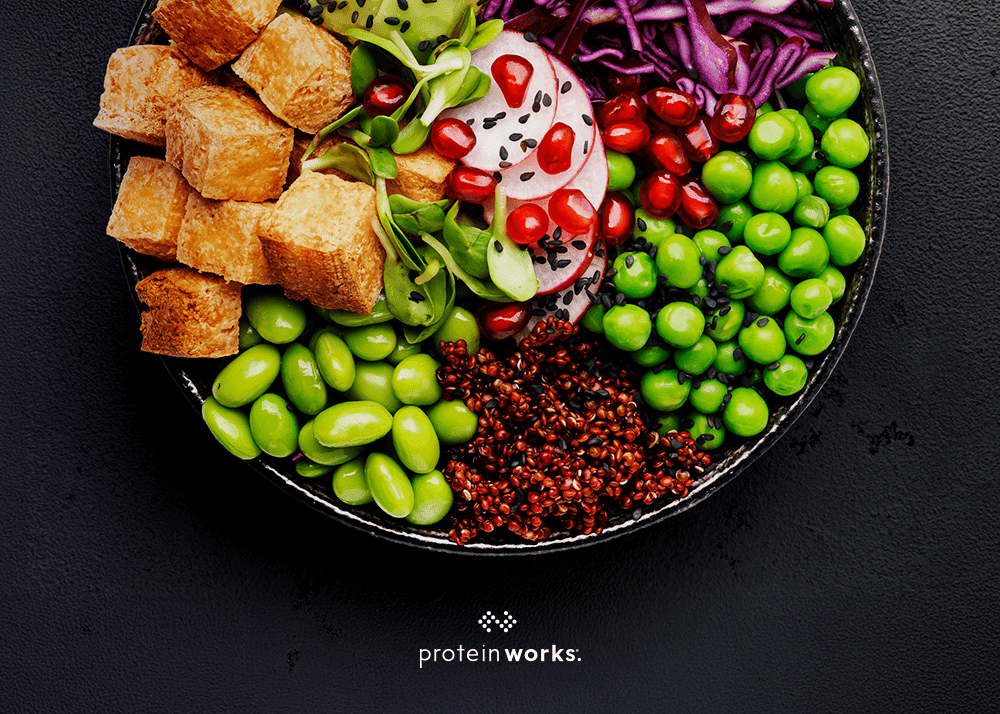
As a general rule, the firmer the tofu, the more protein it contains. While silken tofu provides around 8.2g per 100g serving, firm tofu usually contains more than double that amount – around 17.3g per 100g.[12][13] Like animal proteins, tofu is a complete protein, meaning it contains all nine essential amino acids your body needs.
10. Edamame
Another soy-based protein source, edamame beans – or soya beans – are a complete protein and an easy way to boost your protein intake. A 100g serving added to your stir-fries, salads, or eaten as a tasty snack on their own provides 14g of protein.[14] They’re also rich in fibre, iron and folate.
11. Lentils
Lentils are a cheap, versatile and nutrient-packed vegan protein source, perfect for everything from curries and stews to soups and even salads. They provide 9g protein per 100g serving (cooked), plus they’re rich in iron, fibre and complex carbohydrates, so they’ll keep you fuller for longer.[15]
12. Chickpeas
Chickpeas are another popular protein-packed legume, providing around 8.2g per 100g serving (cooked).[16] They work well in everything from curries and salads to hummus – and they’re also delicious roasted as a savoury snack. Like lentils, chickpeas are high in fibre, iron and slow-release carbs.
13. Nuts
Nuts are an excellent way to add protein, healthy fats and fibre to your diet. A handful of almonds (approximately 28g) provides 6g protein, while the same serving of walnuts contains 4.3g.[17][18]
Peanut butter is another protein-packed pantry staple, offering 7.7g per two-tablespoon serving.[19] Whether you spread it on toast, stir it into porridge, or add it to smoothies, sauces and dressings, it’s one of the easiest (and tastiest) ways to increase your protein intake.
14. Quinoa
Although typically used as a grain, quinoa is actually a seed. It’s also a complete source of protein, providing all nine essential amino acids. A 185g serving of cooked quinoa provides around 8.1g protein.[20] It’s naturally gluten-free, packed with fibre, and can be used in salads, to form tasty veggie patties, or as an alternative to rice.
How Do These Compare To Protein Shakes?
While whole foods should form the foundation of your diet, protein shakes are a convenient and cost-effective way to top up your protein intake, especially if you’re short on time or find it difficult to meet your daily protein target through food alone.
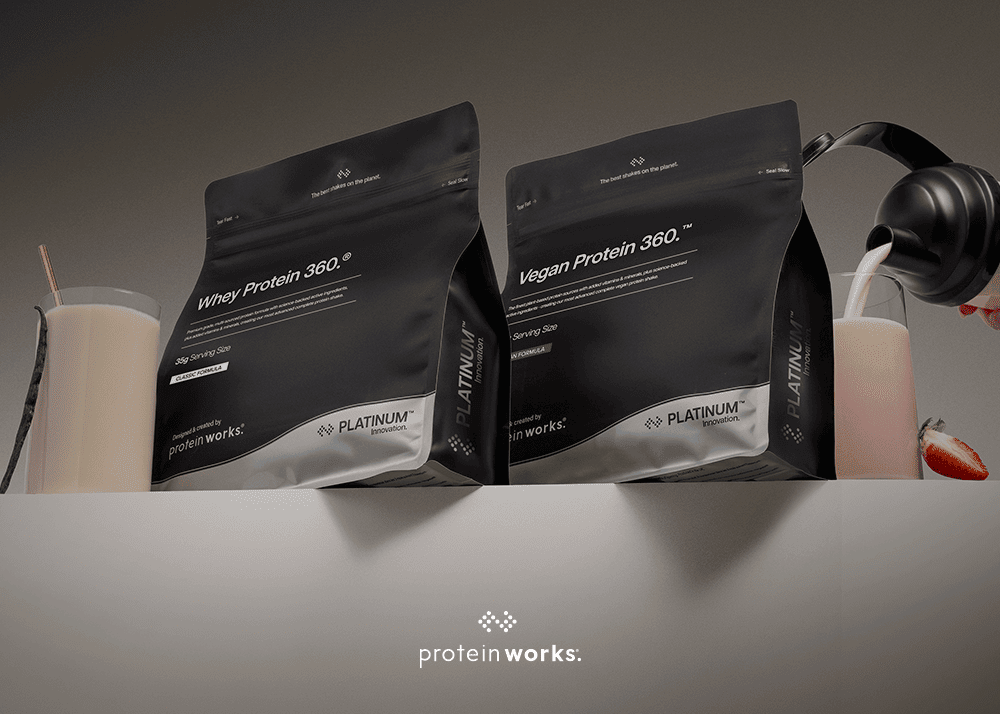
If you take our Whey Protein 360 – PLATINUM from our Whey Protein range – this protein shake provides 24g protein per 35g serving. Each scoop also contains vitamin B5, B6, B12, C, folic acid AND digestive enzymes – with these active ingredients helping you reduce fatigue and provides support to your immune system.
While not a replacement for whole foods, the right protein shake can fit seamlessly into a healthy, balanced diet and support your nutritional goals.


References
[1] https://tools.myfooddata.com/nutrition-facts/171140/100g/1
[2] https://tools.myfooddata.com/nutrition-facts/167838/100g/1
[3] https://ods.od.nih.gov/factsheets/Thiamin-HealthProfessional/
[4] https://www.nhs.uk/live-well/eat-well/food-types/meat-nutrition/
[5] https://tools.myfooddata.com/nutrition-facts/174703/100g/1
[6] https://tools.myfooddata.com/nutrition-facts/2705906/100g/1
[7] https://www.nutrition.org.uk/media/yh2botxi/protein-in-the-diet_resource.pdf
[8] https://tools.myfooddata.com/nutrition-facts/2707154/wt4/1
[9] https://tools.myfooddata.com/nutrition-facts/172181/100g/1
[10] https://tools.myfooddata.com/nutrition-facts/2705422/wt1/1
[11] https://tools.myfooddata.com/nutrition-facts/171265/100g/1
[12] https://tools.myfooddata.com/nutrition-facts/173784/100g/1
[13] https://tools.myfooddata.com/nutrition-facts/172475/100g/1
[14] https://tools.myfooddata.com/nutrition-facts/100091325/wt1/1
[15] https://tools.myfooddata.com/nutrition-facts/172421/100g/1
[16] https://tools.myfooddata.com/nutrition-facts/2342893/100g/1
[17] https://tools.myfooddata.com/nutrition-facts/170567/wt5/1
[18] https://tools.myfooddata.com/nutrition-facts/170187/wt6/1
[19] https://tools.myfooddata.com/nutrition-facts/172469/wt1/1
[20] https://tools.myfooddata.com/nutrition-facts/168917/wt1/1