
A nutritionally complete meal replacement shake can replace your usual lunch when it provides the energy, protein, carbohydrates, fats, fibre, vitamins and minerals expected from a balanced meal.
Unlike a standard protein shake, a complete meal replacement shake is formulated to do more than increase protein intake. It is designed to provide a broader nutritional profile in a measured and convenient serving.
For many people, using a complete meal shake for lunch can be a practical everyday option. It may help during busy working days, travel, back-to-back meetings or periods when preparing a balanced meal is difficult.
However, replacing lunch with a shake every day does not mean the rest of your diet should become repetitive or overly dependent on liquid nutrition.
The best approach is to use the shake as one structured meal while maintaining variety across breakfast, dinner, snacks and other foods throughout the week.

What Makes a Shake Nutritionally Complete?
A nutritionally complete shake is designed to provide the main nutritional elements normally expected from a meal.
This usually includes:
- Protein
- Carbohydrates
- Fats
- Fibre
- Vitamins
- Minerals
- Enough calories to function as a meal
- A defined serving size
These components perform different roles.
Protein contributes to the maintenance and growth of muscle mass. Carbohydrates provide energy. Fats contribute energy and help the body absorb certain vitamins. Fibre supports normal digestive function, while vitamins and minerals contribute to a wide range of processes within the body.
A complete meal shake combines these elements in one formula.
This is different from adding a scoop of protein powder to water and calling it lunch. Protein is important, but a balanced meal usually needs more than protein alone.
A complete meal shake should provide enough nutritional breadth to stand in for the meal it replaces.
How Is a Meal Replacement Shake Different From Protein Powder?
Protein powder and complete meal replacement shakes are designed for different purposes.
A standard protein powder is primarily used to help increase protein intake. It may be taken after training, between meals or added to food.
A protein shake may provide:
- Whey, plant or another protein source
- A relatively low number of calories
- Limited carbohydrates
- Limited fats
- Little fibre
- Few added vitamins and minerals
A complete meal shake is designed to provide a more balanced serving.
It may include:
- Several protein sources
- Carbohydrates
- Essential fats
- Fibre
- Vitamins and minerals
- Additional active ingredients
- Enough calories for a substantial meal
This means a standard protein shake should not automatically be used to replace lunch.
A scoop of protein powder mixed with water may provide a useful amount of protein, but it may not provide enough energy, fibre, carbohydrates, fats or micronutrients to function as a balanced meal.
When choosing a shake specifically for lunch, look for a product clearly described and formulated as a complete meal.
Can You Replace Lunch With a Complete Meal Replacement Shake Every Day?
For many adults, replacing one daily meal with a nutritionally complete meal shake can be a practical option when the rest of the diet remains balanced and varied.
Lunch is often one of the easiest meals to replace because it can be affected by:
- Limited time
- Commuting
- Workplace facilities
- Meetings
- Travel
- Unplanned takeaway purchases
- Difficulty preparing food in advance
- Inconsistent working hours
A complete meal shake can create a predictable alternative.
Instead of skipping lunch, relying on snacks or buying whatever is available, you can prepare a measured meal in a few minutes.
Using the shake every day may be suitable when:
- It provides enough energy for your needs
- It contains a balanced nutritional profile
- It keeps you satisfied until the next planned meal
- You continue eating varied whole foods elsewhere
- You enjoy the product enough to use it consistently
- It fits your health goals and lifestyle
- You prepare it according to the serving instructions
The decision should be based on how the shake affects your full day, not simply whether it is labelled as nutritionally complete.
Why Lunch Is Often Difficult to Manage
Lunch can become an afterthought during a busy day.
Some people skip it completely and then become extremely hungry later. Others rely on convenience food, pastries, crisps or several small snacks that do not create a satisfying meal.
Remote workers may also struggle with lunch. Being close to the kitchen does not always make balanced eating easier. It can lead to irregular grazing rather than one defined meal.
A complete meal shake provides structure.
It can help you know:
- What you are eating
- How many calories the meal provides
- How much protein it contains
- How long preparation will take
- What you need to buy in advance
- When the meal will fit into your schedule
This predictability can be useful for people who find that lunch changes from day to day depending on time, stress or availability.
When a Complete Meal Shake Can Be a Practical Lunch
A complete meal shake may be especially useful in situations where preparing or purchasing a balanced lunch is difficult.
During Busy Working Days
When meetings run through lunch or deadlines reduce the time available to eat, a shake can provide a quick meal without requiring cooking or leaving the workplace.
While Travelling
A measured portion of powder can be easier to carry than prepared food. It may help reduce reliance on expensive or limited travel options.
When Working Away From Home
People working on different sites may not have access to a kitchen, fridge or healthy food outlet.
During a Structured Nutrition Plan
A known serving can make it easier to plan calories, protein and other nutrients across the day.
When Meal Preparation Is Difficult
A shake can provide a practical alternative during demanding periods, although it should not prevent you from returning to varied meals when time and circumstances allow.
How Many Calories Should a Lunch Shake Provide?
There is no single calorie level that suits everybody.
The right amount depends on:
- Age
- Body size
- Activity level
- Personal goals
- Total daily energy needs
- The size of breakfast and dinner
- Planned snacks
- Training routine
- Appetite
A 400-calorie complete meal may be suitable for many people as a practical lunch. Somebody with higher energy requirements may need a larger meal or additional food. A person following a calorie controlled plan may need a lower calorie meal replacement shake.
The key question is whether the lunch gives you enough energy for the rest of the afternoon without making it difficult to meet your overall goals.
Signs that the meal may be too small include:
- Strong hunger shortly afterwards
- Difficulty concentrating
- Low energy
- Repeated snacking
- Overeating at dinner
Signs that it may be larger than you need include:
- Feeling uncomfortably full
- Regularly exceeding your planned daily intake
- Not feeling hungry for later meals
- Adding unnecessary extras to an already complete serving
Start with the recommended serving and assess how it fits your day.
Protein Matters, but It Is Not the Only Factor
Protein is one of the most visible features of a complete meal shake, particularly for active customers.
A higher-protein lunch may help you:
- Increase total daily protein intake
- Distribute protein more evenly across meals
- Support an active lifestyle
- Create a more satisfying meal
- Avoid relying on low-protein convenience foods
However, the highest protein number does not automatically make a shake the best complete meal.
A good lunch also needs an appropriate balance of energy, carbohydrates, fats, fibre and micronutrients.
Someone who already eats a high-protein breakfast and dinner may not need the highest possible protein serving at lunch.
Another person who regularly eats low-protein meals may benefit from choosing a more protein-rich complete shake.
Consider the total day rather than one product label.
Why Fibre Is Important in a Meal Replacement Shake
Fibre helps distinguish a complete meal shake from many standard protein powders.
It contributes to digestive health and can also affect how satisfying the meal feels.
A lunch with little fibre may leave some people feeling less satisfied, particularly when the shake is also low in total calories.
When comparing complete meal products, review:
- Fibre per serving
- Sources of fibre
- Total fluid used to prepare the shake
- Fibre consumed during the rest of the day
- How your digestion responds
Fibre intake should come from a range of foods, including vegetables, fruit, pulses, whole grains, nuts and seeds.
A complete shake can contribute to your intake, but it should not become your only regular source.
Carbohydrates and Fats Still Belong in a Complete Meal
People sometimes choose shakes based almost entirely on protein while treating carbohydrates and fats as ingredients to minimise.
A complete meal should usually provide all three main macronutrients in a balance that supports its intended purpose.
Carbohydrates provide a useful source of energy, particularly for active people and those who need to remain focused during the afternoon.
Fats also provide energy and contribute to the absorption of fat-soluble vitamins. They can affect taste, texture and satisfaction.
A complete meal shake does not need to be extremely high in carbohydrates or fat, but it should not resemble a low-calorie protein drink if it is expected to replace a substantial lunch.
The appropriate balance depends on your goals and the rest of your diet.
Vitamins and Minerals Add Nutritional Breadth
A nutritionally complete shake should provide a range of vitamins and minerals rather than focusing only on macronutrients.
These may include nutrients that contribute to:
- Normal energy-yielding metabolism
- Immune function
- Normal muscle function
- Bone health
- Reduction of tiredness and fatigue
- Normal cognitive function
The exact nutrients and quantities depend on the product.
Added vitamins and minerals help create a more balanced meal, but they do not remove the need for varied foods.
Whole foods provide combinations of nutrients, textures and plant compounds that should still appear across the rest of the diet.
A complete shake is most useful as part of a varied routine rather than as a reason to stop considering food quality elsewhere.
Will a Liquid Lunch Keep You Full?
Some people find a complete meal shake satisfying for several hours. Others prefer chewing a solid meal and may feel hungry sooner after drinking their lunch.
Satiety can depend on:
- Total calories
- Protein
- Fibre
- Fat
- Volume
- Drinking speed
- Personal appetite
- Activity level
- Time until the next meal
You can make the experience more satisfying by:
- Drinking the shake slowly
- Using the recommended liquid amount
- Blending it with ice for greater volume
- Having water alongside it
- Choosing a formula with suitable protein and fibre
- Avoiding drinking it while distracted
- Planning an appropriate snack when needed
Do not automatically add several calorie-dense ingredients to make the shake more filling.
If the basic serving is consistently too small, a different complete meal formula or a larger balanced lunch may be more appropriate.
What Should You Eat During the Rest of the Day?
Replacing lunch with a complete meal shake increases the importance of variety during your other meals and snacks.
Across breakfast, dinner and snacks, include foods such as:
- Vegetables
- Fruit
- Whole grains
- Beans and lentils
- Nuts and seeds
- Dairy or suitable alternatives
- Eggs
- Fish
- Meat
- Tofu or tempeh
- Healthy sources of fat
You do not need every food group at every meal, but your overall week should include a broad range of foods.
Dinner can be particularly useful for adding vegetables, whole grains and varied textures when lunch is usually a shake.
Breakfast might include fruit, yoghurt, oats, eggs or wholegrain toast.
Snacks can include fruit, nuts, yoghurt, vegetables or other foods that complement the rest of the day.
The aim is not to make every meal perfect. It is to prevent one convenient lunch from turning the entire diet into a repetitive pattern.
Maintain Variety Even When Lunch Stays the Same
Eating the same complete meal shake every weekday can be convenient, but variety still matters.
You can maintain variety by changing:
- The flavour of the shake
- The foods eaten at breakfast
- Evening meals
- Fruit and vegetable choices
- Snacks
- Protein sources
- Whole grains
- Weekend lunches
You can also alternate between shake lunches and whole-food lunches.
For example:
- Complete meal shake on busy office days
- Leftovers on days working from home
- A sandwich, salad or grain bowl on quieter days
- A café lunch when meeting friends or colleagues
A routine should support convenience without becoming unnecessarily rigid.
Is a Complete Meal Shake Suitable for Weight Management?
A complete meal shake can fit into a weight-management routine when its calories are included within your total daily intake.
A measured lunch may help people who otherwise struggle with:
- Large takeaway portions
- Unplanned snacking
- Skipping lunch and overeating later
- Inconsistent calorie intake
- Limited time to prepare food
However, some complete meal shakes designed for general nutrition may contain more calories than a calorie-controlled diet meal – that is why diet meal replacement shakes exist, for a lower calorie complete meal shake.
Is a Complete Meal Shake Suitable for Active People?
A complete meal shake can be useful for active people because it provides more than protein alone.
It may offer:
- Protein for daily intake
- Carbohydrates for energy
- Fats
- Fibre
- Vitamins and minerals
- A known calorie level
- Fast preparation
It may work as lunch before an evening training session or as a convenient meal after exercise.
People with high energy requirements may need additional food, a larger serving or another planned snack.
The shake should support training rather than leave you under-fuelled.
Your needs may also differ between training and rest days, so the same lunch does not need to be used every day.
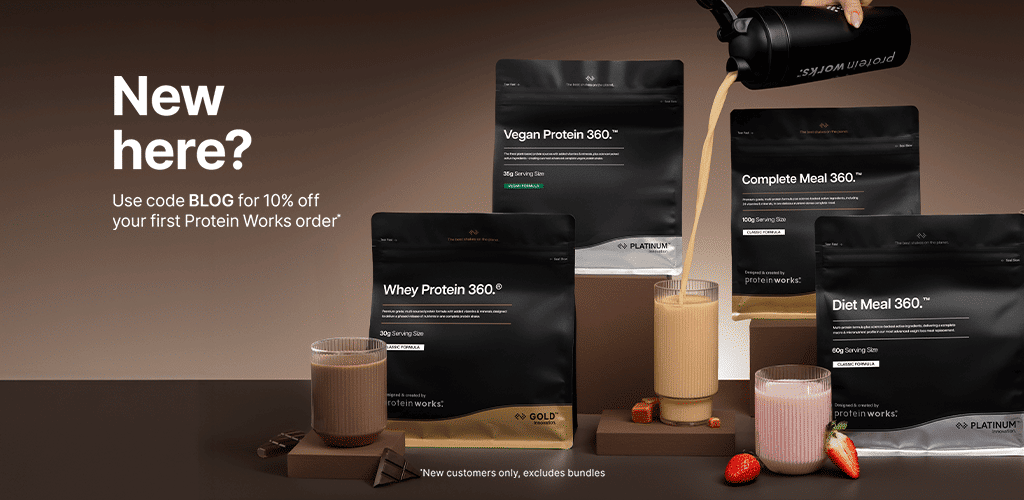
Complete Meal 360 as a Convenient Lunch
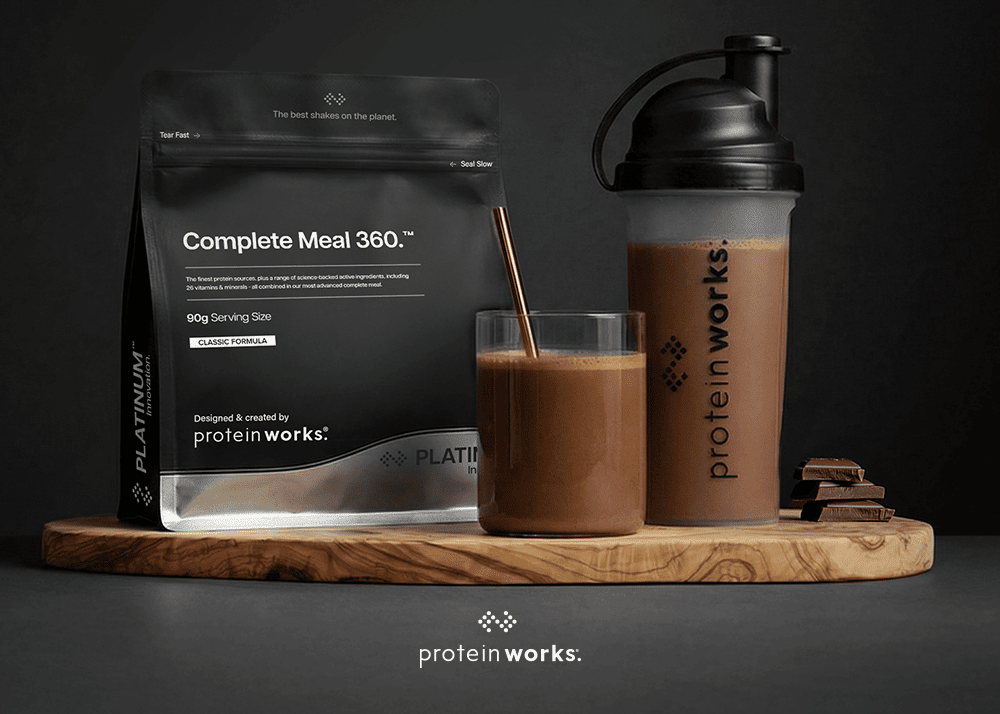
Protein Works Complete Meal 360 is designed to provide balanced meal-level nutrition in a convenient shake.
The range offers options for customers who want a practical complete meal with protein, fibre, carbohydrates, fats, vitamins and minerals.
It may suit people who want:
- A quick office lunch
- A reliable meal while travelling
- A nutritionally structured alternative to skipping lunch
- A high-protein complete meal
- A shake that can be prepared in seconds
- A choice of different formulations and flavours
The right formula depends on your calorie needs, protein target, dietary preferences and budget.
A complete meal shake should make your schedule easier while still supporting a varied and sustainable diet.
When a Complete Meal Shake Works Best
A complete meal shake works best when it solves a genuine problem in your routine.
It may be useful when you regularly reach lunchtime without enough time to shop, cook or sit down for a conventional meal. It can also help when the available alternatives are limited to snacks, takeaway food or skipping lunch altogether.
The strongest use cases include:
- Busy office days
- Working between different locations
- Travel
- Back-to-back meetings
- Limited access to cooking facilities
- Short lunch breaks
- Days when meal preparation has not been possible
- A structured eating plan
The shake should make it easier to eat consistently.
It should not become a reason to ignore hunger, rely on inadequate portions or remove all variety from the diet.
A practical routine might involve using a complete meal shake on the busiest days of the week while choosing a conventional lunch when time and facilities allow.
This gives you both structure and flexibility.
Consider How Long It Needs to Keep You Going
A suitable lunch should normally support you until your next planned meal or snack.
For some people, a complete meal shake may remain satisfying for several hours. Others may need a planned snack later in the afternoon.
Consider:
- What time you eat lunch
- When you usually eat dinner
- Whether you train after work
- How active your afternoon is
- Your normal appetite
- The calorie content of the shake
- Protein and fibre per serving
If you eat lunch at midday but do not have dinner until 8pm, expecting one shake to cover the entire period may be unrealistic.
A planned snack may be appropriate.
Possible options include:
- Fruit
- Yoghurt
- Nuts
- Wholegrain crackers
- Vegetables with hummus
- A boiled egg
- A protein snack
- Toast with a suitable topping
Planning the snack in advance is different from reaching for several unplanned foods because lunch was not substantial enough.
Use Hunger as Feedback
The fact that a product is nutritionally complete does not guarantee that every person will find the serving equally satisfying.
Pay attention to what happens after lunch.
Useful questions include:
- Am I hungry again within an hour?
- Do I find it difficult to concentrate?
- Do I repeatedly snack during the afternoon?
- Do I become extremely hungry before dinner?
- Does the shake feel too heavy?
- Does it support my training?
- Do I enjoy using it regularly?
These observations can help you decide whether to:
- Change the serving
- Choose a different complete meal formula
- Add a planned snack
- Adjust breakfast
- Drink the shake more slowly
- Use a conventional lunch on certain days
A routine should respond to your actual experience rather than forcing you to follow the same pattern regardless of hunger and activity.
Avoid Drinking It Too Quickly
A shake can be consumed much faster than a solid meal.
If you drink it in a few minutes while answering emails, you may not experience the same sense of having eaten lunch.
Try to give the meal a defined place in your day.
You can:
- Step away from your desk
- Drink it gradually
- Use a glass rather than drinking directly from the shaker
- Have water alongside it
- Take a genuine lunch break
- Avoid combining it with constant snacking
This may improve the experience and make it easier to notice when you feel satisfied.
Convenience should not mean treating lunch as an interruption that needs to be finished as quickly as possible.
Should You Add Food to a Complete Meal Shake?
A complete meal shake is designed to provide a full nutritional serving without requiring several additions.
You can still pair it with food when that helps meet your needs.
Appropriate additions may include:
- A piece of fruit
- A small portion of nuts
- Yoghurt
- Raw vegetables
- A planned snack later
- Extra food on high-activity days
The important point is to understand why you are adding it.
Adding fruit for variety or extra energy may be useful. Adding several calorie-dense ingredients automatically can turn a measured meal into a much larger serving than intended.
When preparing the shake, remember that milk, plant-based drinks, oats, nut butter, fruit and yoghurt all change the final calories and macronutrients.
These additions are not inherently negative. They simply need to fit your goal.
Water, Milk or Plant-Based Drink?
The liquid used to prepare the shake changes its nutritional profile.
Water
Water keeps the finished meal closest to the nutritional information listed for the powder.
It is often the most straightforward choice when:
- You want predictable calories
- You are managing your total intake
- You prefer a lighter texture
- You want easy preparation
Milk
Milk can make the shake creamier while adding protein, carbohydrates, fats and calories.
It may suit people who:
- Need a more substantial lunch
- Have higher energy requirements
- Prefer a richer taste
- Want additional protein
Plant-Based Drinks
Plant-based drinks vary considerably.
Some are low in calories and protein. Others contain more carbohydrates, fats, sugar or fortification.
Check the label of the specific drink rather than assuming it will have the same nutritional profile as milk or water.
The best liquid is the one that fits your diet, taste and energy needs.
Keep Whole Foods in the Rest of Your Routine
A complete meal shake may provide a strong balance of nutrients, but eating is about more than meeting a list of numerical targets.
Whole foods provide:
- Different forms of fibre
- Plant compounds
- A wide range of textures
- Variety
- Chewing and eating experience
- Social enjoyment
- Opportunities to develop cooking habits
When lunch is regularly a shake, prioritise whole foods elsewhere.
Dinner might include:
- Several vegetables
- A protein source
- Whole grains or potatoes
- Beans or lentils
- A source of healthy fats
Breakfast might include:
- Oats
- Fruit
- Yoghurt
- Eggs
- Wholegrain bread
- Nuts or seeds
The aim is not to make every meal complicated. It is to maintain a broad and enjoyable diet across the week.
Do You Need to Eat Vegetables With the Shake?
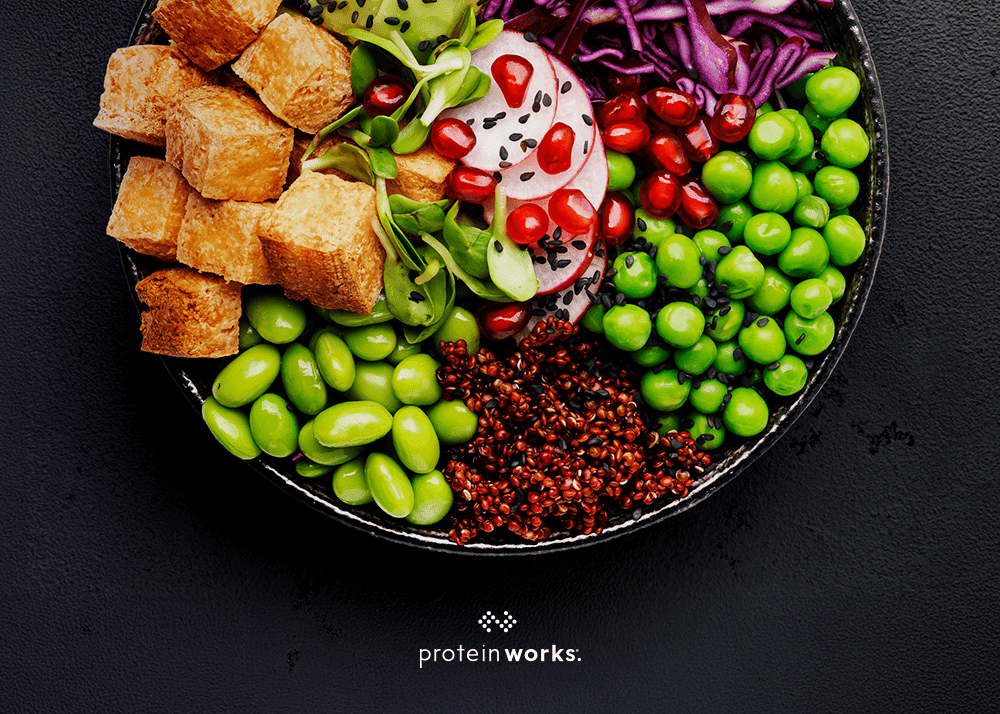
A nutritionally complete formula may include vitamins, minerals and fibre, but vegetables still offer value within the wider diet.
You do not necessarily need to eat a side salad with every shake. You should, however, include vegetables and fruit regularly across your other meals and snacks.
This can include:
- Vegetables with dinner
- Fruit at breakfast
- Vegetable-based soups
- Berries with yoghurt
- Raw vegetables as a snack
- Beans and lentils in meals
- Mixed salads on non-shake days
Nutritional completeness describes the formulation of the serving. It does not mean that variety no longer matters.
Is It Suitable for Office Workers?
A complete meal shake can be particularly useful for office workers.
Lunch may be difficult to manage because of:
- Meetings
- Short breaks
- Limited kitchen access
- Expensive nearby food
- Inconsistent schedules
- Commuting
- Lack of meal preparation
Keeping several servings at work can provide a reliable backup.
It may reduce the likelihood of skipping lunch or buying food that does not suit your goals.
However, having a shake should not mean remaining at the desk throughout the entire break.
Where possible, step away from work and give yourself time to eat, move and reset before the afternoon.
Is It Suitable for Remote Workers?
Working from home creates different challenges.
Food may be available throughout the day, but that can lead to frequent grazing rather than a structured lunch.
A complete meal shake can provide a clear meal boundary.
It may be useful when:
- Meetings continue through lunchtime
- You struggle to decide what to prepare
- You regularly snack instead of eating a meal
- You need a quick option between tasks
- You want predictable nutrition
Remote workers can also alternate between shake lunches and simple whole-food meals such as leftovers, eggs on toast, soups or grain bowls.
Convenience does not require choosing the same lunch every day.
Is It Suitable for Travel?
Complete meal shakes can be practical while travelling because powder is usually easier to carry than prepared food.
Before travel, consider:
- How the powder will be stored
- Whether you can carry the required serving
- Access to safe drinking water
- Shaker cleaning
- Transport restrictions
- Whether the trip involves long periods without food
- The need for additional snacks
A sealed portion and clean shaker can provide a dependable meal when airport, rail or motorway options are limited.
For longer journeys, pair the shake with suitable snacks and water rather than relying on it to cover an entire day.
Consider the Social Side of Lunch
Lunch is not always only about nutrition.
It may be an opportunity to:
- Meet colleagues
- Eat with family
- Take a break
- Try different foods
- Enjoy a restaurant or café
- Participate in social events
Using a complete meal shake every weekday may be convenient, but it should not make you feel unable to join other people for lunch.
A flexible approach might involve:
- Shake lunches on the busiest days
- Whole-food lunches with colleagues
- Restaurant meals on social occasions
- Prepared meals when time allows
A strong routine should fit real life rather than making every change of plan feel like failure.
Who Should Take Extra Care?
Some people should seek individual professional guidance before making a meal shake a regular part of their diet.
This may include people who:
- Are pregnant or breastfeeding
- Have a diagnosed medical condition
- Take medication affected by food or nutrients
- Have kidney or liver concerns
- Have significant digestive symptoms
- Have a history of disordered eating
- Need a medically prescribed diet
- Have serious food allergies
- Are under 18
- Have unusually high or low energy needs
A product may be suitable for the general adult population while still requiring individual consideration.
The packaging and current product guidance should always be followed.
Signs the Routine Is Working Well
Replacing lunch with a complete meal shake may be working well when:
- You have steady energy during the afternoon
- You are not excessively hungry soon afterwards
- Your diet remains varied
- You enjoy the shake
- It helps you eat consistently
- It fits your budget
- It supports your calorie and protein goals
- You do not feel restricted
- Digestion remains comfortable
- You can adapt the routine when necessary
These signs suggest the shake is solving a practical problem without creating new ones.
Signs You May Need to Change the Routine
You may need to adjust the routine when:
- You are hungry very soon after lunch
- You regularly overeat later
- You feel low in energy
- You experience persistent digestive discomfort
- You become bored with the flavours
- The cost is difficult to maintain
- You stop eating varied foods elsewhere
- You use the shake despite having time for meals you would enjoy more
- The serving does not fit your activity level
- You become overly rigid about using it every day
The solution may be simple.
You could use the shake less often, add a planned snack, choose a different formulation or alternate it with conventional lunches.
How to Build a Balanced Day Around a Shake Lunch
A balanced day might look like:
Breakfast
Oats with fruit and yoghurt, or eggs with wholegrain toast and vegetables.
Lunch
A nutritionally complete meal shake prepared according to the serving instructions.
Afternoon Snack
Fruit with nuts, yoghurt or another option suited to appetite and activity.
Dinner
A meal containing vegetables, a protein source, carbohydrates and healthy fats.
This is only an example.
The specific foods and portions should reflect personal preferences, energy requirements and dietary needs.
The central idea is to allow the complete shake to simplify one part of the day without making the rest of the diet restrictive.
Frequently Asked Questions
Can a complete meal shake replace lunch every day?
It can replace lunch regularly when it provides balanced meal-level nutrition, enough energy for your needs and fits within a varied overall diet. Pay attention to hunger, energy, digestion and the quality of the rest of your food intake.
Is a complete meal shake the same as a protein shake?
No. A protein shake is mainly designed to increase protein intake. A complete meal shake also provides carbohydrates, fats, fibre, vitamins, minerals and enough calories to function as a meal.
Will a complete meal shake keep me full until dinner?
It may, but satisfaction depends on calories, protein, fibre, appetite, activity and the time until dinner. Some people may benefit from a planned afternoon snack.
Should I add fruit or other food to the shake?
You can, but additions change the calories and nutritional profile. A complete meal is designed to stand alone, so add food only when it supports your appetite, activity level or overall goal.
Can I have a complete meal shake on days when I do not exercise?
Yes. Complete meal shakes are designed for convenient nutrition rather than only for use around exercise. Adjust the rest of your food intake according to your activity and energy needs.
Put Complete Nutrition on Your Schedule With Protein Works
A complete meal shake can provide a practical everyday lunch when time, travel or a demanding schedule makes balanced food preparation difficult.
The key is choosing a product designed to provide meal-level nutrition, using the recommended serving and maintaining variety across the rest of your diet.