
Finding yourself feeling constantly hungry? It might be the fault of the food you’re choosing. When it comes to the items on today’s shelves, a lot of them leave you with mid-morning hunger pangs or snack cravings that derail your carefully planned routines. But by avoiding certain foods and prioritising others, it’s an easy fix to slow your digestion and lower blood sugar spikes.
Here are our top 9 foods that will do just that, helping you stay fuller for longer.

-
Oats
A breakfast staple for centuries, for a reason. Oats are a great way to start your day, setting you up with long-lasting energy and fuel that keeps you going all morning.
Why it fills you up:
Oats are rich in soluble fibre, which forms a gel in your gut and slows digestion. This means you won’t get hungry until lunchtime, stopping any distracting mid-morning cravings you might otherwise get. According to the NHS, adults need 30g of fibre a day, and most adults only get around 20g. With 5g of fibre per 40g serving of oats, adding these in at breakfast makes good headway towards closing this gap.
How to use it best:
Classic porridge with toppings of your choice, in overnight oats served with fresh fruit, or blended into your favourite smoothie recipe.
2. Eggs
One of the most versatile protein sources out there, eggs are full of good stuff to keep you full all day.
Why it fills you up:
One large egg contains around 6g of protein. Protein is much more satiating than fat or carbs gram-for-gram, so this high amount means 2 or 3 eggs in the morning will give you long-lasting energy and great muscle fuel for hours on end.
How to use it best:
Where do we begin? Scrambled on wholemeal toast, packed with veggies as an omelette, hard boiled as an easy portable snack: however you like ‘em.
3. Greek yoghurt
The thick, creamy yoghurt that works in just about anything, greek yoghurt is one of our favourite satiating ingredients.
Why it fills you up:
Greek yoghurt boasts around 17g of protein per 170g pot, which is markedly higher than regular yoghurt. This high-protein content helps tide you over between meals perfectly, whether as a main meal in itself or as a quick snack.
How to use it best:
Topped with berries and a sprinkle of nuts, mixed with cucumber and dill for a tasty tzatziki dip, or blended into a smoothie. Savoury or sweet: get creative!
4. Lentils and other pulses
Beans, lentils, chickpeas: pulses like these are an incredible protein and fibre source, taste delicious, and are so easy to add into your meals.
Why it fills you up:
Pulses are naturally low in fat, and naturally high in fibre and protein. This makes them a full-feeling powerhouse, made even better by them lasting pretty much forever in your cupboard, and being cheap as chips to boot.
How to use it best:
Air fry chickpeas for a crispy snack, stir beans into soups or stews, or throw them in a big bean salad with your favourite veggies and dressing.
5. Avocado
The ‘it-food’ of 2016, avocados have not gone out of style in our eyes. They’re delicious, easy, and versatile, and a great nutrient-dense fruit (yes, fruit) to add to any meal.
Why it fills you up:
Around 80% of avocados’ carbohydrate content is fibre, plus it’s packed full of healthy fats that digest slowly. So, it sustains fullness for hours after a meal, and curbs cravings incredibly.
How to use it best:
Mash it on wholegrain toast (top with an egg for extra points), add it to salads, or blend it into a smoothie to make it extra creamy.
6. Nuts
Almonds, walnuts, cashews, pecans: nuts are a calorie-dense and nutrient-rich snack that are great at satiating you, so we love them as an easy topping or quick snack.
Why it fills you up:
Nuts combine protein, fibre and healthy fats, so even a small handful can help top up your daily fibre intake.
How to use it best:
Grab a few mid-morning for a snack that won’t spike your blood sugar, or add them to porridge or salads for a nutritious crunch.
7. Chia seeds
These tiny seeds have big nutrition benefits, and they’re one of the easiest ingredients you could use in your kitchen.
Why it fills you up:
Chia seeds have among the highest fibre content of any whole food: around 34g per an 100g serving. This will prevent blood sugar spikes and slow your digestion after eating, so you’ll stay fuller for longer.
How to use it best:
Make an easy overnight chia pudding, add it into your overnight oats, or stir it into yoghurt or smoothies (just let it soak for 10 minutes before eating/drinking).
8. Sweet potato
This naturally sweet (the name gives it away really) alternative to the usual white potatoes is extremely fibre rich, so it works perfectly as a like-for-like potato alternative.
Why it fills you up:
Sweet potatoes have a lower glycemic index than normal potatoes. So, while normal potatoes are still a great food to include in your diet, the sweet variety actually spikes your blood sugar less after eating. They’re also rich in fibre and potassium, so you get a good steady energy release throughout the day – without the crash.
How to use it best:
Roast it as a side, mash it with your sunday roast, or bake a thin slice as a toast/base alternative.
9. Meal shakes – bonus option for busy days
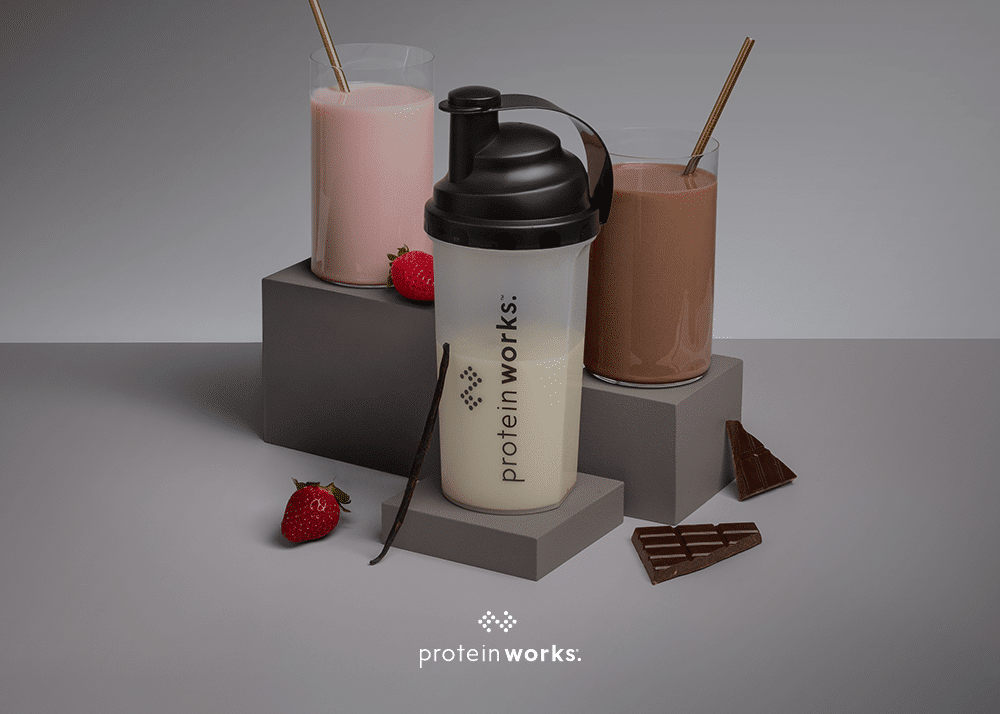
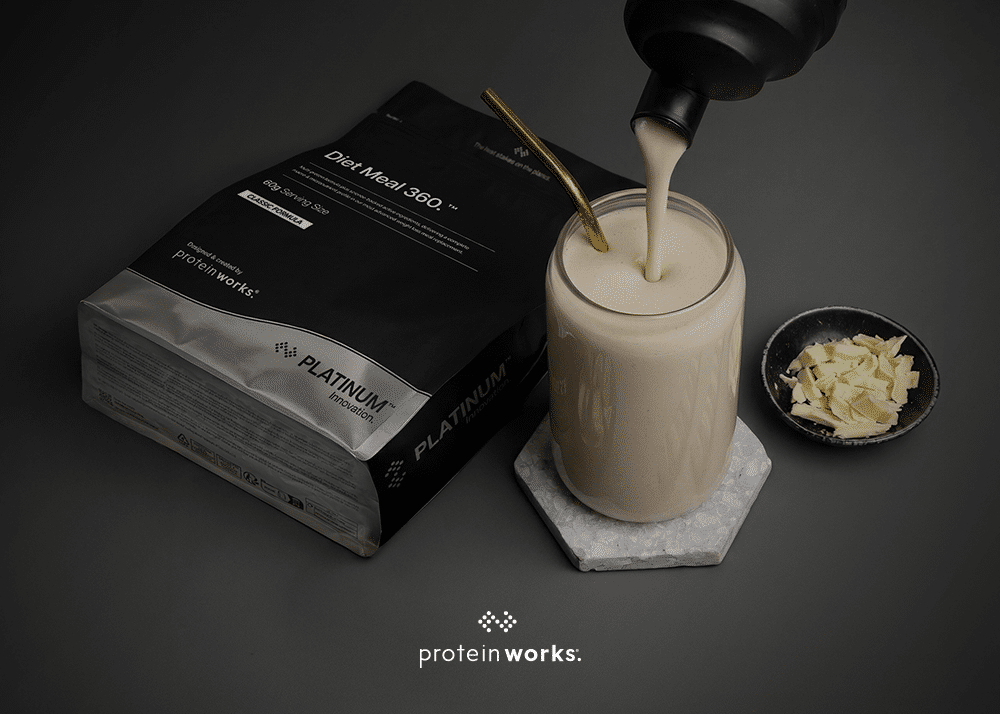
Don’t have time to cook up a satisfying meal? Not to worry. There are countless meal replacement shakes on the market that contain all the nutrients you need to stay full and fuel your body throughout the day.
For an extra boost of another satiating macronutrient, protein powders are a great supplement to a well-rounded diet. Whether it’s a post-workout shake or added into your morning porridge, these are perfect if you’re struggling to meet your protein goals.
Better foods, better fullness
If you often find yourself struggling with snacking or cravings, it might be that you’re not eating optimally. Focusing on adding these 8 ingredients to your daily diet will keep you fuller for longer with just a few simple switch outs.
Need a little more of a boost on busy days? Check out our range of meal replacement shakes and protein powders.