
Simple Ways to Increase Protein Intake Without Overcomplicating Your Diet

For years, protein was mainly associated with bodybuilding, intense gym routines, and performance-focused nutrition plans. Today, that has changed significantly.
More people are looking at protein as part of a healthier everyday lifestyle rather than something reserved purely for athletes or fitness enthusiasts. Whether the goal is feeling fuller for longer, supporting an active lifestyle, improving meal balance, or simply making healthier food choices more consistently, protein has become a much more mainstream part of modern nutrition.
At the same time, many people still struggle with the practical side of increasing protein intake. Busy schedules, work, commuting, family routines, convenience eating, and lack of preparation can make it difficult to maintain balanced eating habits consistently.
This is where a lot of nutrition advice becomes unrealistic.
Many approaches focus on extreme meal plans, rigid dieting, or trying to completely overhaul eating habits overnight. In reality, consistency usually comes from making smaller, more sustainable changes that fit naturally into your existing routine.
For most people, increasing protein intake successfully is less about perfection and more about making healthier choices easier to maintain long term.

Why Protein Matters Beyond Traditional Fitness
Protein plays an important role in many everyday functions within the body. It contributes to the maintenance of muscle mass, supports recovery, and can help with satiety, which is the feeling of fullness after eating.
One reason higher-protein diets have become more popular is because they can help people feel more satisfied throughout the day. This can make healthier eating habits feel easier and more sustainable compared to approaches that leave people constantly hungry or relying on frequent snacking.
Protein also fits well into modern lifestyle nutrition because it can often be incorporated conveniently into meals, snacks, and drinks without requiring complicated preparation.
Importantly, increasing protein intake does not necessarily mean eating like a professional athlete.
For many people, it simply means:
- building more balanced meals
- improving convenience
- reducing reliance on lower-quality snacks
- supporting a healthier routine overall
- making it easier to stay consistent with nutrition goals
This shift is one of the reasons protein products have evolved so much in recent years. Consumers increasingly expect products that combine nutrition, taste, convenience, and flexibility rather than purely performance-focused supplementation.
Consistency Usually Matters More Than Perfection
One of the biggest mistakes people make with nutrition is assuming they need to follow an extreme or highly structured approach to see benefits.
In reality, nutrition habits that fit naturally into everyday life are often much easier to maintain consistently.
Someone who adds a higher-protein breakfast, swaps a lower-protein snack for a more balanced option, or uses convenient nutrition products during busy days may see better long-term consistency than someone trying to follow a restrictive meal plan they cannot realistically maintain.
This is especially relevant for people with:
- busy work schedules
- family commitments
- travel routines
- inconsistent meal timings
- limited time to prepare food
- active lifestyles outside traditional gym culture
Modern nutrition increasingly revolves around flexibility rather than rigid rules.
Small improvements repeated consistently over time are often far more realistic than attempting to completely change eating habits overnight.
Start With Your Existing Routine
One of the simplest ways to increase protein intake is to work with your current habits rather than against them.
Many people immediately assume they need to:
- dramatically increase meal prep
- follow strict eating plans
- eat completely differently
- remove all convenience foods
Usually, this is unnecessary.
A more sustainable approach is identifying parts of your routine where adding more protein feels simple and practical.
For example:
- choosing a higher-protein breakfast option
- adding protein to afternoon snacks
- using a protein shake or during busy workdays
- replacing lower-quality convenience snacks with more balanced alternatives
- improving meal balance gradually rather than all at once
This type of approach tends to feel much more manageable long term.
It also better reflects how people actually live today. Nutrition now needs to work around modern lifestyles, not the other way around.
Higher-Protein Breakfasts Can Make a Big Difference
Breakfast is often one of the easiest places to improve protein intake consistently.
Many traditional breakfast options are relatively low in protein and higher in fast-digesting carbohydrates, which can leave people feeling hungry again fairly quickly.
Adding more protein earlier in the day may help improve satiety and make energy levels feel more stable throughout the morning.
This does not need to mean preparing elaborate meals.
Simple adjustments can include:
- adding protein to oats or smoothies
- choosing Greek yoghurt-based breakfasts
- using high protein pancake mixes
- incorporating convenient shakes during busy mornings
- pairing breakfast with higher-protein snacks later in the morning
The key is finding options that feel realistic enough to maintain consistently rather than aiming for perfection every day.
Convenience Often Determines Consistency
One of the biggest reasons people struggle to maintain healthier eating habits is convenience.
Even people with good intentions often default to whatever is quickest and easiest during busy days.
This is why convenient nutrition products have become increasingly popular outside traditional sports nutrition audiences.
For many people, products like protein shakes, meal shakes, bars, or high-protein snacks are less about extreme fitness goals and more about:
- improving convenience
- reducing skipped meals
- making healthier choices easier
- supporting better routines during busy schedules
The most effective nutrition habits are often the ones that fit naturally into real life.
Smart Snacking Can Help Support Better Nutrition Habits
Snacking is often where people unintentionally fall out of healthy routines.
Many traditional convenience snacks are designed around quick energy rather than nutritional balance, which can leave people feeling hungry again shortly afterwards. This is one reason higher-protein snacks have become increasingly popular with people looking for more practical and satisfying options during busy days.
Adding more protein into snacks does not need to feel restrictive or overly health-focused. In many cases, it is simply about choosing options that help you feel fuller for longer while fitting naturally into your routine.
Simple examples can include:
- higher-protein yoghurts
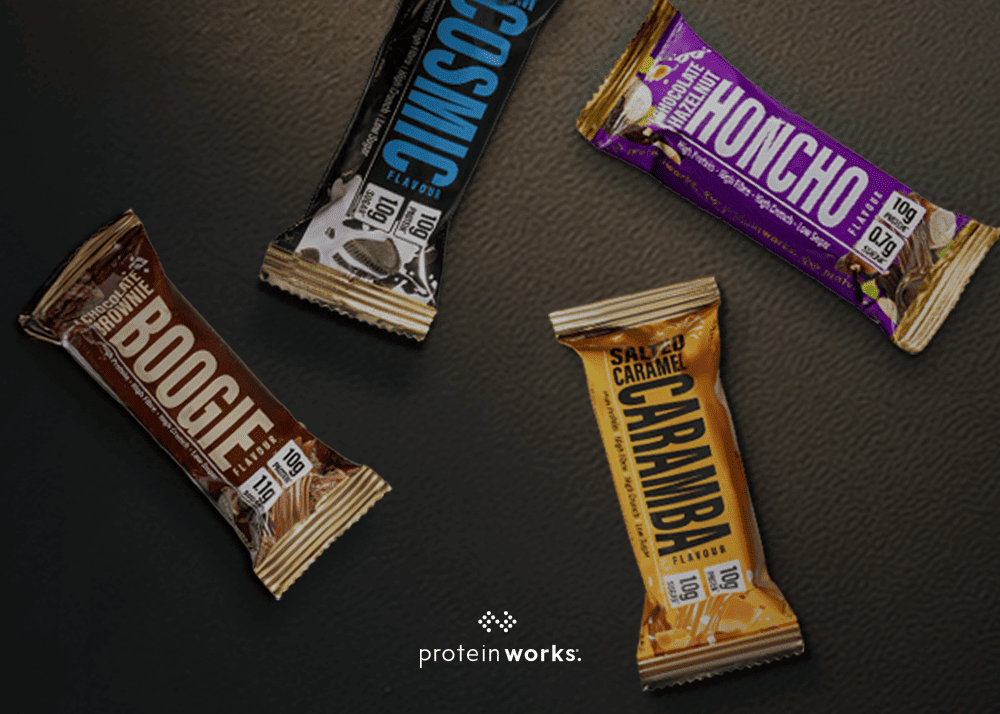
- protein bars
- protein pancakes
- convenient shakes during busy afternoons
- balanced snacks that combine protein and fibre
For many people, these smaller daily decisions are what make healthier eating habits feel more achievable long term.
Convenience Often Determines Consistency
One of the biggest barriers to healthier eating is convenience.
Even people with good intentions can struggle to maintain balanced eating habits during:
- busy workdays
- commuting
- travelling
- family schedules
- long afternoons between meals
This is one reason functional nutrition products have expanded far beyond traditional gym culture.
For many consumers today, products like protein shakes, meal shakes, and high-protein snacks are not purely about performance or bodybuilding. They are often used because they help make healthier choices more convenient and easier to maintain consistently.
Modern nutrition increasingly revolves around flexibility rather than perfection.
The most effective nutrition habits are usually the ones that fit naturally into real life rather than requiring unrealistic routines.
Taste and Enjoyment Matter More Than People Think
One reason many people fail to stick with healthier habits is because the experience itself feels difficult to maintain.
Taste, texture, convenience, and enjoyment all play a major role in consistency.
Historically, some protein products prioritised nutrition at the expense of flavour and usability. Today, consumer expectations have changed significantly.
People increasingly want products that:
- taste enjoyable
- fit into everyday routines
- feel convenient
- support healthier habits without feeling restrictive
This is especially important for people outside traditional fitness communities.
Most consumers are not looking for highly rigid nutrition plans. They are looking for practical ways to support healthier lifestyles while still enjoying what they eat and drink.
Flexible Nutrition Is Changing Modern Wellness
Modern lifestyles are busier and less predictable than ever.
As routines become more flexible, nutrition habits often need to adapt alongside them.
This is why many people now prioritise:
- convenience
- portability
- flexibility
- balanced nutrition
- products that fit around everyday life
For some people, this might mean:
- a shake after a walk
- a quick breakfast during early mornings
- higher-protein snacks between meetings
- convenient meal options while travelling
- lighter nutrition options during busy afternoons
The goal is not perfection every day.
The goal is creating a routine that feels sustainable enough to maintain consistently over time.
There Is No Single “Perfect” Approach
One of the biggest misconceptions around nutrition is the idea that there is one perfect way to eat.
In reality, the best approach is usually the one that fits your lifestyle, preferences, and routine consistently.
Some people prefer:
- complete meals
- convenient shakes
- lighter clear whey drinks
- high-protein snacks
- meal replacements
- food-first approaches
Others use a combination depending on the situation.
Modern nutrition is becoming increasingly personalised because consumers are choosing products based on far more than just protein content alone.
People now consider:
- taste
- convenience
- satiety
- digestion
- flexibility
- lifestyle fit
- overall experience
Frequently Asked Questions
How much protein do I actually need each day?
Protein needs vary depending on factors such as activity levels, lifestyle, age, and personal goals. Many people simply benefit from spreading protein intake more consistently throughout the day rather than focusing on very high amounts all at once.
Are protein shakes only for gym-goers?
No. Protein shakes are increasingly used by people looking for convenient ways to support balanced nutrition during busy days. Many consumers use them as part of everyday wellness routines rather than purely for fitness-focused goals.
Is it better to get protein from food or supplements?
Whole foods remain important as part of a balanced diet, but convenient nutrition products can help support consistency when preparing balanced meals is not always practical.
What is the easiest way to increase protein intake?
For many people, the easiest approach is making small adjustments such as:
- choosing higher-protein breakfasts
- improving snack choices
- adding convenient shakes during busy days
- focusing on more balanced meals overall
Do I need protein immediately after exercise?
Post-exercise nutrition can support recovery, but consistency across the entire day is usually more important than focusing on exact timing alone.
Final Thoughts
Increasing protein intake does not need to involve restrictive dieting or completely changing the way you eat.
For most people, sustainable improvements come from smaller, more practical changes that fit naturally into everyday life.
Whether that means:
- improving breakfast choices
- choosing more balanced snacks
- adding convenient nutrition during busy days
- finding products you genuinely enjoy using consistently
the goal is usually the same:
building healthier habits that feel realistic enough to maintain long term.
At Protein Works, we believe modern nutrition should combine quality, convenience, flavour, and flexibility to support healthier lifestyles in a way that actually fits real life.
Explore the Protein Works range of protein shakes, complete meal shakes, wellness products, and high-protein snacks designed to make healthier nutrition simpler, more enjoyable, and easier to maintain every day.

