
Whey, casein, pea, soy, isolate, concentrate, clear – the world of protein shakes is overwhelming. And most of the information out there makes it worse, not better. This guide explains every major type of protein shake, who each one is suited for, and how to pick the right one for your diet, lifestyle, and goals. Whether you’re dairy or plant-based, looking to support your daily protein intake as part of a healthy diet, or just want a convenient way to get more protein in – we’ve got you covered. Protein shake types compared – let’s get into it:
Protein Sources Compared: Dairy vs Plant
All protein shakes start with a source. They broadly split into two camps: dairy-based and plant-based. Here’s what you need to know about each.
1. Whey Protein
Whey is the most popular protein source in the world. Derived from milk during the cheesemaking process, it’s a complete protein – meaning it contains all nine essential amino acids your body needs. It’s highly bioavailable, versatile, and generally the gold standard for taste and mixability.
2. Casein Protein
Like whey, casein comes from milk – but digests more slowly, providing a gradual release of amino acids over time. It’s a complete protein with a strong amino acid profile, and a popular choice as part of an evening routine because of that slower absorption.
3. Clear Diet Whey
Clear diet whey is a lighter, juice-style protein drink rather than a traditional creamy shake. Made from whey protein but processed differently, it has a completely different texture – light, refreshing, and easy to drink. A great option if you find traditional shakes too heavy or want something that feels more like a soft drink than a milkshake.
4. Egg Protein
A complete protein with excellent digestibility. Less common in shake form, but a useful alternative for those who want a dairy-free option that’s still animal-sourced.
5. Pea Protein
One of the most popular plant proteins. Made from yellow split peas, naturally dairy-free and gluten-free, with a solid amino acid profile – though slightly lower in methionine, one of the nine essential amino acids.
6. Soy Protein
One of the few plant sources that’s genuinely a complete protein, containing all nine essential amino acids. Strong digestibility and one of the most widely studied plant proteins available.
7. Rice & Hemp Protein
Both are common in plant-based formulas, though typically lower in digestibility and lacking one or more essential amino acids on their own. That’s why you’ll often find pea and rice combined in plant-based blends – together, they create a more complete amino acid profile that better matches what dairy protein delivers naturally.
Isolate vs Concentrate vs Blend: What’s the Difference?
Once you’ve chosen your source, you’ll often see isolate, concentrate, or blend on the label. Here’s what each means:
Concentrate
The least processed form, with a protein content typically around 70–80%. Whey concentrate tends to have a richer, creamier taste. If you have no specific dietary restrictions, concentrate is a great all-rounder.
Isolate
Isolate goes through additional filtering to remove more fat, carbohydrates, and lactose – resulting in a higher protein percentage, usually 85–95% per serving. A smart choice if you’re lactose sensitive or following a calorie-controlled diet and want maximum protein per serving with minimal extras.
Blend
A blend combines both. You get the taste and cost benefits of concentrate alongside the higher purity of isolate. Many of the best protein shakes on the market use multi-phase blends, because they balance nutrition, taste, and digestibility well. This same logic applies to plant proteins – plant blends combine multiple sources for a more rounded nutritional profile.
Read our complete guide on if Whey Concentrate or Isolate is Better here.
Taste & Texture: an Honest Comparison
Taste matters. If your shake doesn’t taste good, you won’t drink it consistently. Here’s an honest breakdown of what to expect:
- Whey concentrate – richest, creamiest texture. The closest thing to a milkshake experience.
- Whey isolate – lighter and thinner than concentrate. Better if you want something refreshing rather than heavy.
- Clear diet whey – light, fruity, juice-style. Completely different from a traditional shake and a genuine alternative for people who don’t enjoy thick, creamy drinks.
- Casein – naturally thicker, almost pudding-like. An acquired taste, but some people love that dense consistency.
- Plant protein blends – modern formulations have improved enormously. That said, if flavour is the top priority, whey-based shakes tend to win. For plant-based, the difference between a well-formulated blend and a poor one is significant. Always look for blends that use multiple sources.
Which Protein Shake is Right for You?
There’s no single best protein shake – there’s the best one for you, based on your dietary preferences, lifestyle, and what your body needs right now. Here’s a simple breakdown:
- All-rounder for daily protein intake = a whey protein blend. Complete amino acid profile, excellent digestibility, and usually the best flavour.
- Calorie-controlled diet or lactose sensitive = whey protein isolate. Maximum protein per serving with minimal fats, carbs, and lactose.
- Lighter and more refreshing = clear diet whey. Juice-style, easy to consume, nothing heavy.
- Vegan or dairy-free = a plant protein blend combining multiple sources, like pea and soy, for a complete amino acid profile.
- On a GLP-1 medication = look for a nutritionally complete option covering fibre, vitamins, minerals, and hydration, not just protein alone.
- Going through perimenopause or menopause = a high-quality, easily digestible protein shake is a practical way to support your daily protein intake through that transition.
That’s it – that’s how you choose the right protein shake type for you in 2026.
Alternatively, our team of experts have also devised a quick quiz to match you to your perfect shake.
How Protein Works Has You Covered:
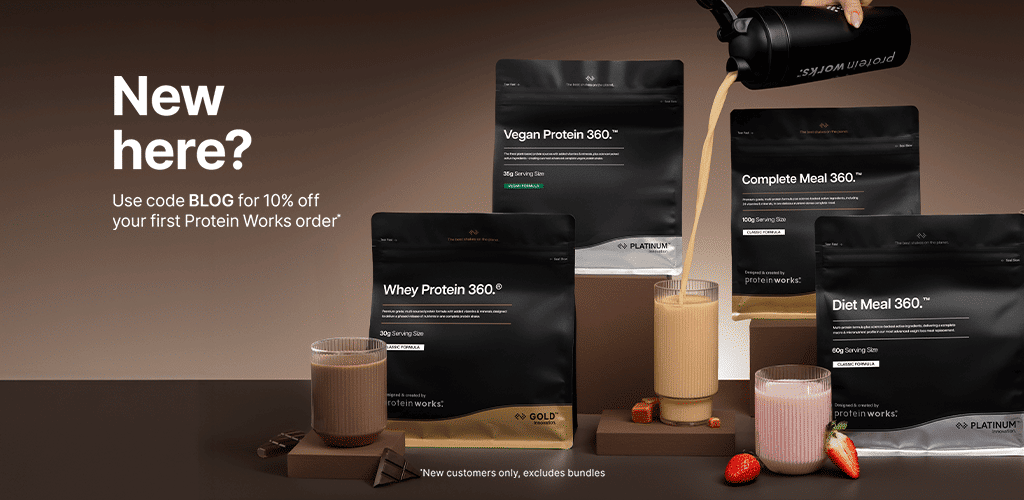
At Protein Works, the range covers every protein type discussed in this guide. Every product is developed in our own facility here in the UK using premium-grade ingredients.
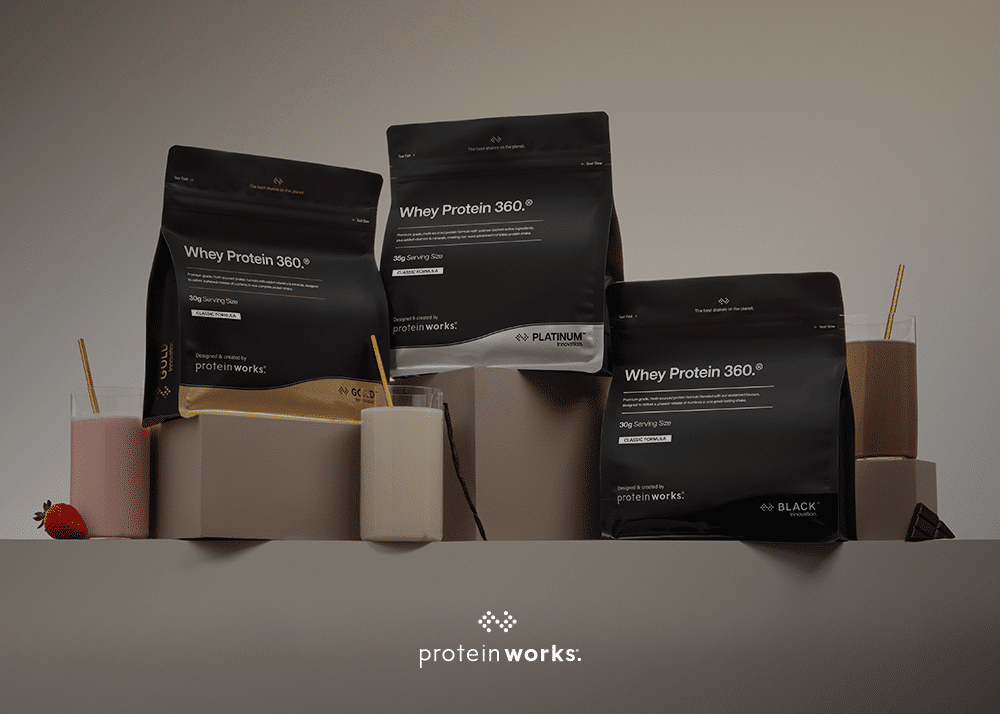
- Whey Protein 360 BLACK – classic formula. Premium-grade ingredients, complete amino acid profile, exceptional taste at an affordable price.
- Whey Protein 360 GOLD – advanced formulation with higher nutritional content, added digestive enzymes, and around 23g of protein per serving with added vitamins and minerals.
- Whey Protein 360 PLATINUM – up to 24g of protein per serving, 26 vitamins and minerals, and science-backed active ingredients.
- Diet Whey Isolate Protein Isolate – high-purity isolate for calorie-controlled diets. Maximum protein with minimal fats, carbs, and lactose.
- Clear Diet Whey – juice-style protein drink. Light, fruity, and completely different from a traditional shake.
- 100% Micellar Casein – pure, premium-grade slow-release casein.
- Vegan Protein 360 BLACK – classic, affordable plant-based formula with a complete amino acid profile from multiple premium plant sources.
- Vegan Protein 360 GOLD – advanced plant formulation with enhanced nutrition and an extended flavour range.
- Vegan Protein 360 PLATINUM – up to 29g of protein per serving, the most advanced vegan shake in the range.
Explore the full Protein Works Protein Shake Range