
Our appetites are constantly fluctuating. Hormones, illness, travel, appetite suppressants: there can be many reasons you might not feel like eating a large amount. However, eating less doesn’t mean nutrition stops being important. It’s vital that you still give your body all the nutrients it needs to function properly and stay healthy, even if you’re not all that hungry. This guide will help you understand which foods you should prioritise when eating smaller portions, to make sure you’re getting all the quality – with a little less quantity.

Why your appetite can drop
Your appetite can drop for many reasons, some within your control, and some completely out of it. Sometimes, it stems from the internal workings of your body. Stress and anxiety can be a big factor, affecting hormones which could tamper with your appetite. Illness or recovery may also temporarily suppress your appetite, as your body works hard to get back to normal.
Your lifestyle can also play a part in your appetite levels. Travelling a lot can affect your circadian rhythm, throwing off hormone levels. An overly busy schedule might lead to stress, making your body prioritise immediate tasks over processing your food. And being somewhere with hot weather means hunger is suppressed to avoid extra heat being produced through digestion.
There’s also been a spike recently in people medically suppressing their appetite to achieve weight loss, or for overall weight management. GLP-1 medications like Wegovy, Ozempic and Mounjaro reduce hunger and make you fuller faster by mimicking the hormones in charge of regulating appetite and indicating satiety.
Whatever reason for your lower appetite, feeling less hungry than usual isn’t inherently a problem. However, undereating nutrients can be. What’s important is that you make every bite matter – that way, your body can still do everything it needs to.
Eat more nutrients when you’re eating less
Eating with a low appetite can carry some risks if you don’t prioritise the right foods. Protein deficiency can lead to swelling, mood changes, brittle nails and hair, muscle loss, and more. Gaps in the micronutrients you eat (key vitamins and minerals) can cause serious health issues, from anemia to osteoporosis. You’ll experience low energy or fatigue if your body isn’t getting the fuel it needs, as it tries to conserve energy for the vital processes that keep you alive.
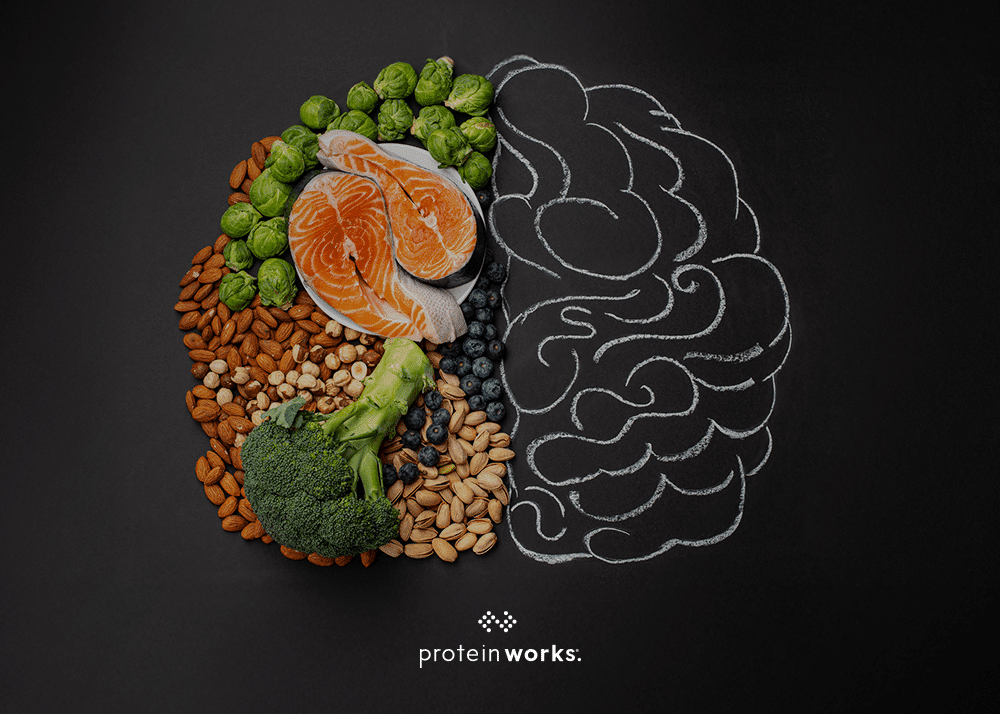
As a result, eating nutrient-dense foods is extremely important when you’re eating smaller portions. This means foods high in vitamins, minerals, protein, fats or fibre, giving you something actively helpful with every bite. Let’s break it down.
Key nutrients to prioritise on low-appetite days
There are a few nutrients that are non-negotiable for low-appetites. To stay healthy and support your body properly, these are the ones to focus on:
Protein
Protein supports muscle maintenance and growth, and helps with satiety and blood sugar stability. Because of its satiating qualities, we recommend focusing on low-volume protein sources in your meals, helping you up your intake without feeling too full.
Low-volume, protein-rich foods include:
- Eggs
- Greek yoghurt
- Cottage cheese
- Protein powders
Healthy fats
Healthy fats with every meal ensure you still have energy throughout the day, even when food volume is low.
Energy-dense foods that are easy to add to meals include:
- Nut butters
- Olive oil
- Avocado
Note: If you’re taking GLP-1 medications, high-fat meals will sit in your stomach for longer, often increasing feelings of nausea or discomfort. In this case, you’ll need to include fats in small amounts and spread across the day.
Fibre
Prioritising fibre in meals promotes good gut health, without overwhelming your digestive system. Your gut affects more than you think – from skin health to mental state – so supporting it is very important.
Gut-friendly fibre sources include:
- Legumes (e.g. lentils, black beans)
- Vegetables (e.g. broccoli, brussel sprouts)
- Fruits (e.g. berries, pears)
- Seeds, nuts and grains (e.g. chia seeds, almonds, oats)
Micronutrients
Vitamins and minerals like iron, B12, calcium, magnesium help you avoid deficiency-linked illnesses that can become chronic.
Micronutrient-heavy foods include:
- Berries
- Leafy greens
- Seeds
- Sardines
And if you are struggling to get enough of any certain vitamin or mineral, supplements can help bridge the gap without adding any food volume to your plate.
Don’t forget hydration
Losing your appetite can affect your thirst, too, so it’s important to drink plenty to avoid dehydration. If you’re struggling to get enough water in, electrolytes like our Genesis Hydration Drink can help, and they even contain added vitamins and minerals for an extra boost.
How to build meals when you’re not very hungry
It’s hard to plan a well-rounded, nutrient-rich meal when you’re not feeling hungry. To make it easier, we recommend thinking in components – not full meals. Simply prioritising protein + fat + fibre can take some of the thinking out of it, helping you fuel your body without feeling overwhelmed by the planning. As long as you have these three elements, you’re all good.
Small, frequent portions are often the best strategy for eating with a low appetite – especially if you’ve started GLP-1 meds. It can be common to get full quickly at first, so smaller portions help you get the nutrients you need without overloading your digestive system.
Really struggling to fit food in? Easy-to-eat options can be a huge help: think soups, meal shakes, or smoothies.
Your day of eating might not follow the classic ‘breakfast, lunch, dinner’ model, but go easy on yourself: as long as you’re hitting your nutrient needs, it doesn’t matter how you get them.
Listen to your body as your appetite changes
Medication adjustments, lifestyle changes, or health conditions are bound to affect your appetite at some point in your life, whether that’s short- or long-term. Whenever it changes, take note of how you feel. Ongoing fatigue, dizziness, or weakness could signify that you need more support. If the appetite loss is prolonged (with the exception of that caused by medical suppressants), or it’s causing you to lose out on basic nutritional needs, speak to your GP.
And, of course, if you have the appetite to eat three full meals a day, don’t restrict yourself. Weight change, good health, and nutrition does not come from eating less – it comes from eating well.
Shop our range of supplements, functional foods, and shakes to make meeting your nutrition goals simple.


References
Why Does Anxiety Cause a Loss of Appetite? | Healthline
Signs You’re Not Getting Enough Protein | WebMD
Appetite Changes Bali: Why It Happens to Travelers | Life Everyouth
Micronutrients | World Health Organization
Why is gut health important? | Circle Health Group
Institute of Medicine (US) Committee on Military Nutrition Research; Marriott BM, editor. ‘Nutritional Needs in Hot Environments: Applications for Military Personnel in Field Operations.’ Washington (DC): National Academies Press (US); 1993.