
GLP-1 (glucagon-like peptide-1) is a hormone released in the gut after eating. It triggers the release of insulin, which helps to regulate blood sugar levels, slow digestion and increase feelings of fullness.[1][2] These effects are why GLP-1-based medications (such as Mounjaro and Ozempic) have become so widely used in the management of type 2 diabetes and weight loss.
However, medication isn’t the only way to support GLP-1 activity. Certain foods can naturally trigger the release of this hormone as part of normal digestion. In this article, we’ll explore five food groups that have been shown to support GLP-1 production.
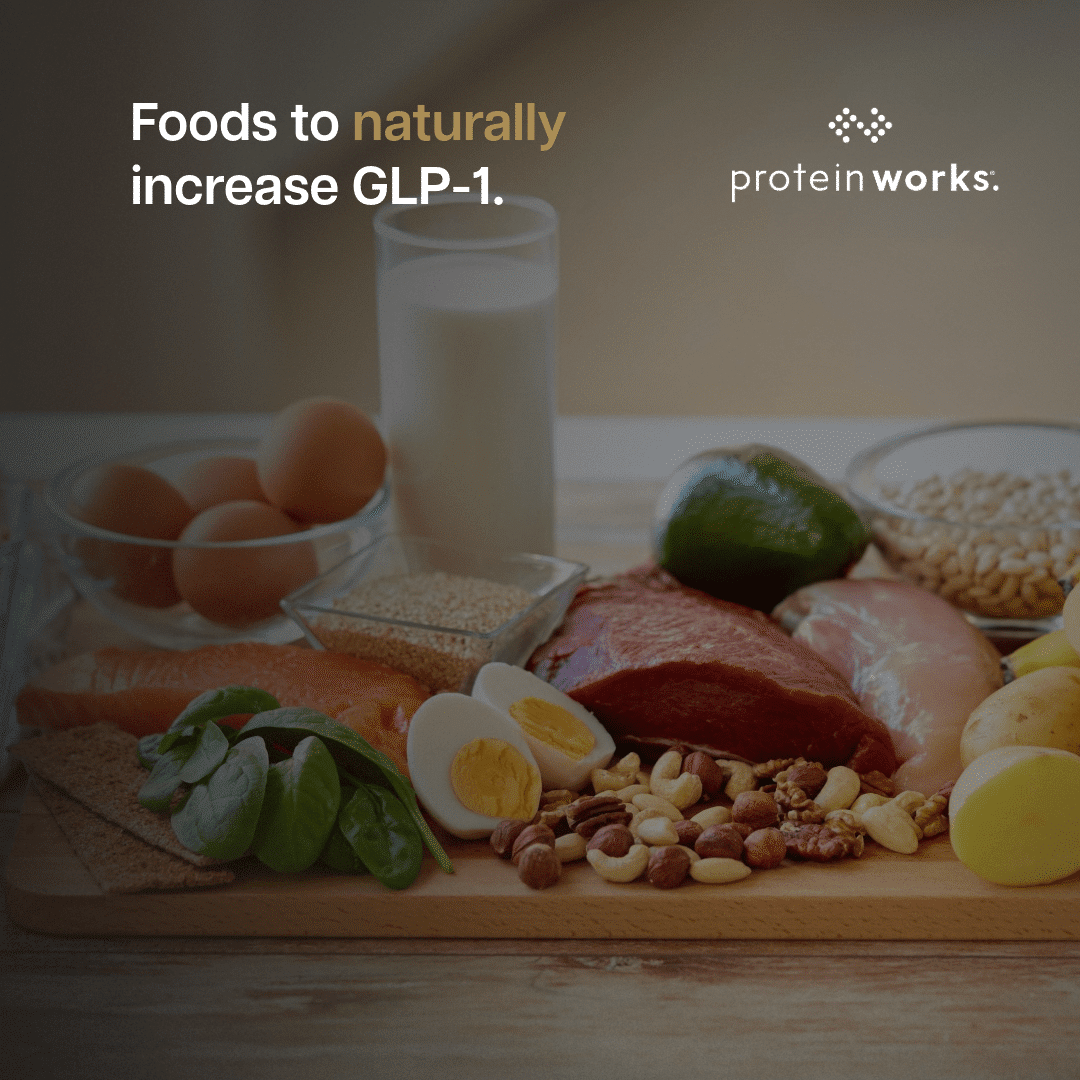
1. High-protein foods
Research suggests that protein is one of the most effective dietary triggers for GLP-1 release. Studies show that consuming protein – particularly alongside calcium – can significantly enhance the body’s natural production of GLP-1 by activating amino acid-sensitive receptors in the gut.[3]
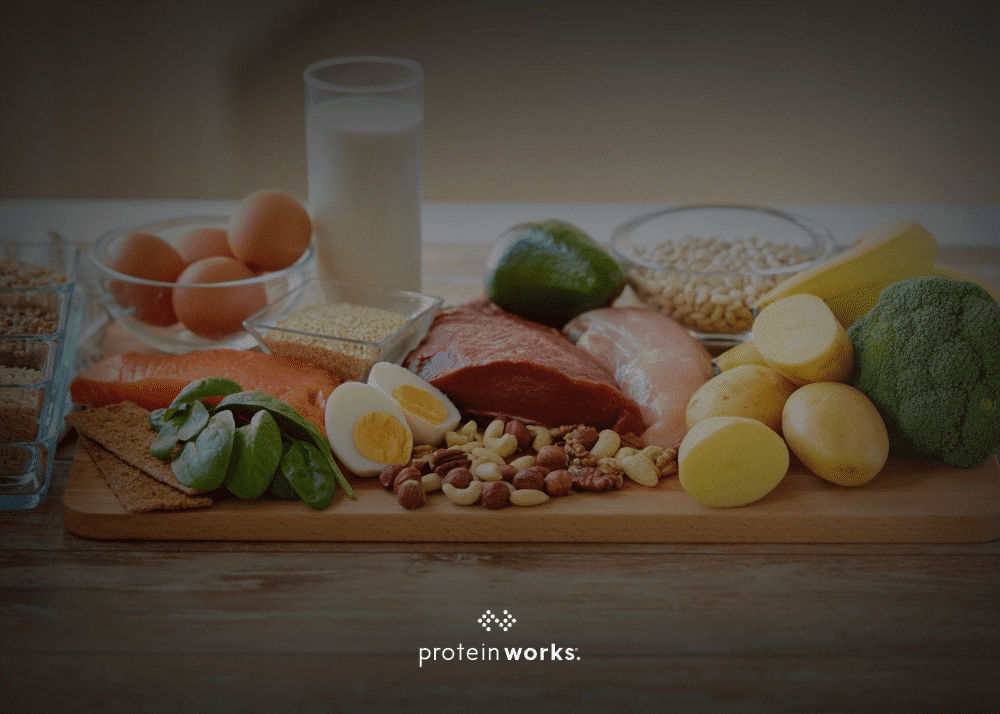
Examples of high-protein foods that support GLP-1 production include:
- Eggs
- Lean meats (e.g. chicken and turkey)
- Fish (especially oily fish like salmon)
- Greek yoghurt
- Cottage cheese
- Tofu
- Protein shakes
2. High-fibre foods
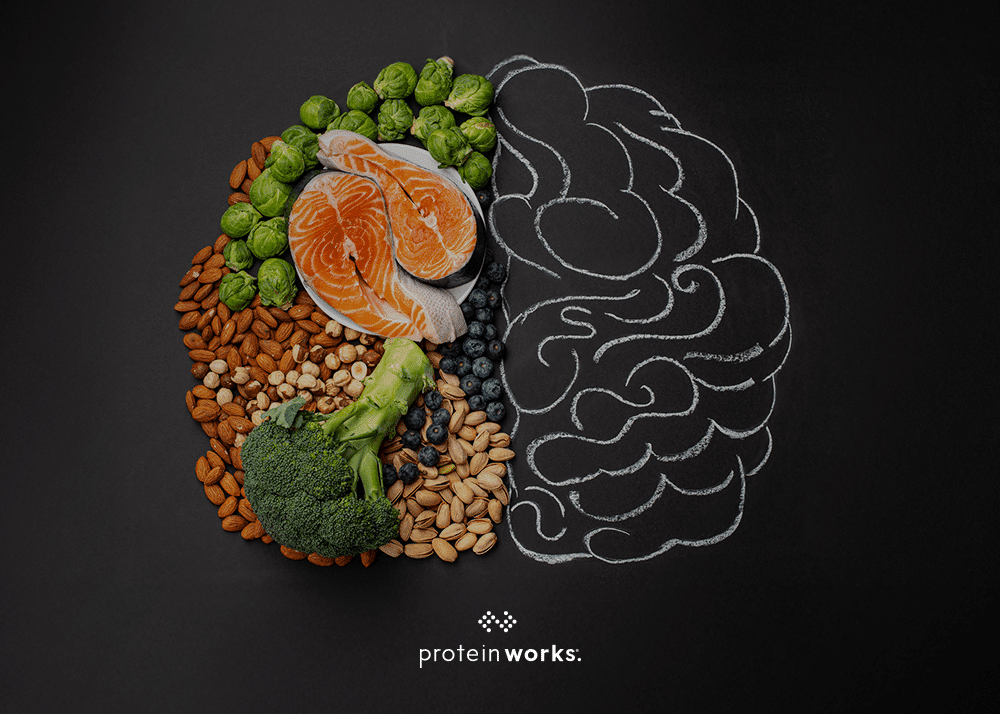
High-fibre foods may also support GLP-1 release. When fibre is fermented by gut bacteria, it produces short-chain fatty acids, which have been shown to stimulate GLP-1 secretion in the gut. This helps explain why diets rich in whole grains, fruits, vegetables, nuts and legumes are often linked to improved appetite control and blood sugar regulation.[4]
Examples of high-fibre foods that support GLP-1 activity include:
- Oats and barley
- Lentils, chickpeas and beans
- Whole grains (e.g. brown rice, quinoa and wholegrain rye)
- Vegetables (especially broccoli, Brussels sprouts, carrots and artichokes)
- Fruit (such as apples, pears, berries and citrus fruits)
- Nuts and seeds
3. Fermented foods
Certain probiotic strains found in fermented foods have been shown to enhance GLP-1 secretion too. Studies suggest that specific probiotics can increase GLP-1 levels, which may help support appetite regulation and post-meal blood sugar control. Fermented foods also contain organic acids and other fermentation-derived compounds that may influence digestion and glycaemic response – processes closely linked to GLP-1 signalling.[4][5]
Examples of fermented foods include:
- Yoghurt with live cultures
- Kefir
- Sauerkraut
- Kimchi
- Miso
4. Healthy fats
Healthy fats may also support GLP-1 release. Studies show that monounsaturated fats, like those in olive oil, are better at stimulating GLP-1 levels than saturated fats like butter. Including sources of monounsaturated fat alongside protein and fibre may therefore help support appetite regulation and metabolic health. [6][7]
Examples of healthy fats include:
- Extra virgin olive oil
- Avocado
- Nuts and seeds
- Oily fish
5. Low-GI carbohydrates
Studies show that carbohydrates that keep blood sugar levels stable may also help support GLP-1 activity. Low-GI carbohydrates tend to produce steadier blood glucose patterns, which may help promote GLP-1 release and support better appetite regulation compared with rapidly absorbed sugars.[8]
Examples of low-GI carbs include:
- Sweet potatoes
- Quinoa
- Brown rice
- Legumes
- Oats
The Take Home
GLP-1 plays a key role in appetite regulation and post-meal blood sugar control, which is exactly why it’s attracted so much attention in recent years. And while GLP-1 medications have their place, everyday food choices can also support your body’s natural GLP-1 response.
Eating a balanced diet rich in protein, fibre-rich wholefoods, healthy fats and slow-release carbohydrates may help increase your GLP-1 production, which can help to slow your digestion and keep you feeling fuller for longer. For more practical tips to help you put this into action, check out our guides to increasing your fibre intake and choosing high-protein snacks.
If you are currently on GLP-1 medication and looking for nutritional support while on Mounjaro or Ozempic, we’ve got you covered.


References:
[1] https://pubmed.ncbi.nlm.nih.gov/31636017/
[2] https://pubmed.ncbi.nlm.nih.gov/17928588/
[3] https://pmc.ncbi.nlm.nih.gov/articles/PMC8634310/
[4] https://pmc.ncbi.nlm.nih.gov/articles/PMC5148911/
[5] https://pmc.ncbi.nlm.nih.gov/articles/PMC11884235/
[6] https://pmc.ncbi.nlm.nih.gov/articles/PMC8235588/
[7] https://www.sciencedirect.com/science/article/pii/S0002916522044185
[8] https://www.sciencedirect.com/science/article/pii/S0002916523047871