

Gut health has become a huge focus in the wellness space recently. From bloating to irregular digestion, many of the problems we face every day can boil down to poor gut health. But what exactly contributes to this, and how can we improve it? That’s where probiotics come into play.
Probiotics are microorganisms that live in our gut, mostly made up of bacteria, that help to support healthy conditions for all your digestive, metabolic, and immunity needs. We’re here to explain everything there is to know about these small but mighty organisms: how probiotics work in our bodies, why they’re vital for overall wellness, and how you can start supplementing them if you notice an imbalance.
What are probiotics?
Our guts contain trillions of microorganisms, a whole heap of which are bacteria. Some bacteria can be harmful if they overgrow, but others are actually extremely beneficial – and these good guys of the gut are called probiotics. There to support a healthy environment, probiotics are naturally present in the body, but also come from fermented foods or supplements.
There are three main types: lactobacillus and bifidobacterium are common groups of bacteria that support digestion + lactose breakdown and gut balance + regularity, respectively. The third common type of probiotic is a yeast called saccharomyces boulardii, which is often used alongside antibiotics to keep the gut healthy. Long names, but in short, these tiny organisms make a big difference to our wellness.
How do probiotics work in the body?
To keep a good balance between the harmful and the beneficial bacteria in the gut, probiotics are a key player. They compete with the harmful bacteria for space and nutrients, and produce substances that help to curb the growth of unwanted microbes. They’re also vital for maintaining the integrity of the gut barrier, helping your body’s digestion and immune defence.
If the balance is disrupted and harmful bacteria take over, you could experience a litany of issues: bloating, constipation, diarrhoea, fatigue, weakened immune system and even skin and mood changes. So how can you avoid this? There are a few reasons why your bacterial balance may be off, so staying aware of your lifestyle, medications and habits can give you a good idea as to how you’re doing on the gut front. Antibiotic use, chronic stress, high-sugar/low-fibre diets, illness, travel, or lack of sleep could all be the culprit – so if any of these apply to you, and you’re noticing some unwelcome differences in your body, it could be time to supplement probiotics.
Why are probiotics important for gut health?
Probiotics help your gut work seamlessly on a few levels: digestion, regularity, and daily comfort. The bacteria are great at breaking down certain foods, supporting smooth digestion and allowing all the nutrients to be absorbed. They’re also there to support your bowel movements and keep a good digestive rhythm, which makes them very important for those who suffer from constipation or IBS. Finally, a balanced gut flora may help reduce digestive discomfort, including bloating or gas.
When it comes to supplementing probiotics, consistency is key to get the most out of them. Focusing on building long-term gut health, and not just a quick fix, will give you the best results and keep you healthy long into the future. Stick at it!
Benefits of probiotics beyond digestion
It’s not just gut health that probiotics are a saviour for. They’re also great for a whole host of other facets of wellness, some of which are still being uncovered through ongoing research. Here’s a taste of how probiotics could help you:
Immune health
The gut makes up a huge portion of the immune system. Because of this, a balanced gut microbiome is an effective way to support your immune defence and resilience – especially if you struggle with this normally.
Skin health
Struggling with acne, eczema, psoriasis, or other skin conditions? Focusing on gut health could be a gamechanger. The ‘gut-skin axis’ links your gut bacteria with skin health, meaning there’s a direct link between poor gut microbiome and skin issues.
Mental wellbeing
Happiness starts in the gut. Literally. Your gut bacteria plays a role in producing neurotransmitters, including serotonin. So, balancing your gut health may help support your mood and lower stress.
Women’s intimate health
Certain probiotic strains – namely, lactobacillus – are extremely helpful for women’s intimate health. They work to balance pH levels and prevent infections like BV, thrush, or UTIs – so if you’re prone to these, or have just come off antibiotics, it’s important to replenish them.
Food sources vs. probiotic supplements
If you want to focus on supporting your gut health, there are a couple of ways you can do it: eating probiotic-rich foods, or taking probiotic supplements. Generally, we recommend trying to eat as many probiotic-rich foods as possible to maintain healthy gut flora levels. These foods include:
- Yoghurt (with live cultures)
- Kefir
- Sauerkraut
- Kimchi
- Miso
- Tempeh
Food sources do have limits, though. Not all fermented foods contain these live bacteria, since processing and heat can destroy them. Also, the amount and the strain varies significantly between foods, so it can be hard to measure exactly how many probiotics you’re getting. Because of this, supplements can come in clutch – especially if you’re taking/have recently taken antibiotics, are experiencing persistent digestive issues, or have a limited dietary intake.
When you’re choosing your supplements, look for specific strains that are backed by research (like lactobacillus and bifidobacterium). Additionally, choose supplements with a good CFU (colony-forming units) count: this indicates the amount of active microorganisms in the supplement. 10-20 billion CFU is a good number for adults, with it rising to 50-100 billion in specific targeted cases, and lowering to 5-10 billion for children. If you’re unsure how much you need, speak to your GP for personalised advice.
Finally, make sure you’re storing your supplements in accordance with the requirements listed on the packaging: some need refrigeration to keep the bacteria alive, whereas others are shelf-stable.
Give your gut some love
In general, probiotics are well tolerated by most healthy adults – the only side effect tends to be temporary bloating or gas while the gut adjusts. In fact, most people could benefit from taking probiotic supplements, and since the gut is the starting point for so many of the problems we experience, it could fix something you didn’t even know was broken.
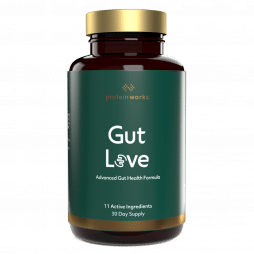
If you’re looking for a great starting supplement, our Gut Love is packed with both probiotics and prebiotics (which help the bacteria in probiotics survive and thrive), as well as digestive enzymes for that extra boost. It could be just what you need.

References
Probiotics: Usefulness and Safety | National Center for Complementary and Integrative Health
The gut-skin axis: how your gut health affects your skin | Holland & Barrett


