
If you’re at all into nutrition, you’ll know that mealtimes are about so much more than just filling yourself up. The food you eat has an impact on all aspects of your life, from energy, to immunity, to gut health, to recovery, so choosing these intentionally can be a great support to your goals. Functional foods are just that: foods that offer benefits beyond their nutritional value, with active ingredients designed to improve your health or reduce your risk of disease.
But how exactly should you incorporate these into your diet, and which foods count as ‘functional’ in the first place? We’re here to answer all your questions about these superheroes of scran, including what they are, why they’re popular, and how you can reap their benefits.

What are functional foods?
Functional foods are naturally occurring or fortified foods that provide benefits beyond basic calories and macronutrients. They do this by containing active nutrients or compounds that have a specific function in the body, and, like many great things in this world, the concept originated in Japan. In the 1980s, the Japanese government aimed to better the health of their population by developing and regulating such foods – and these so-called ‘nutraceuticals’ have taken off globally ever since.
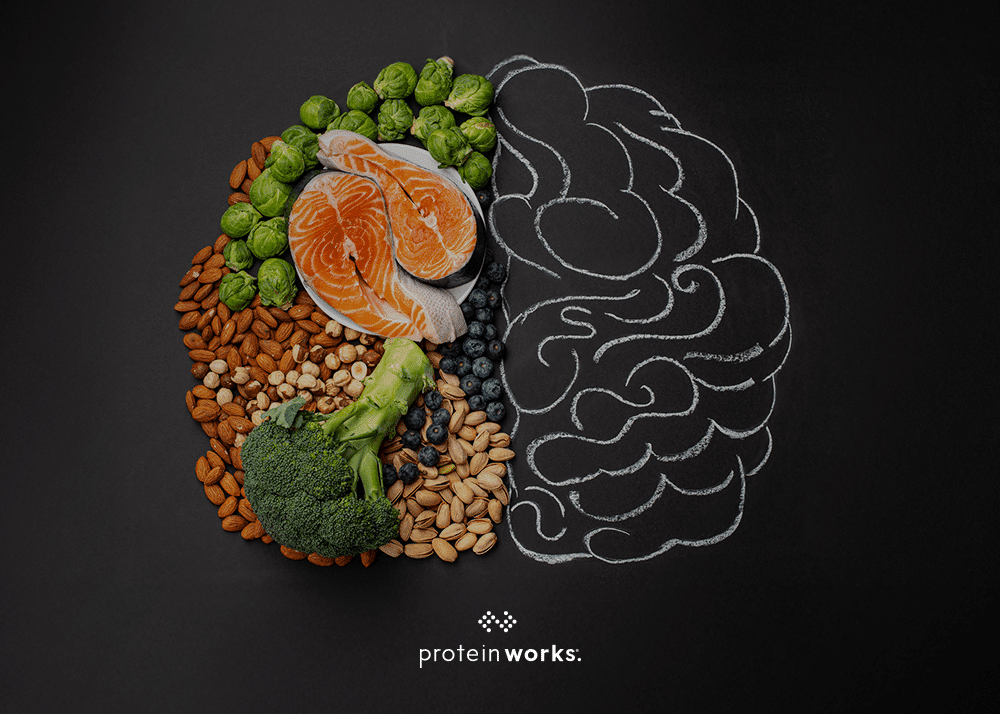
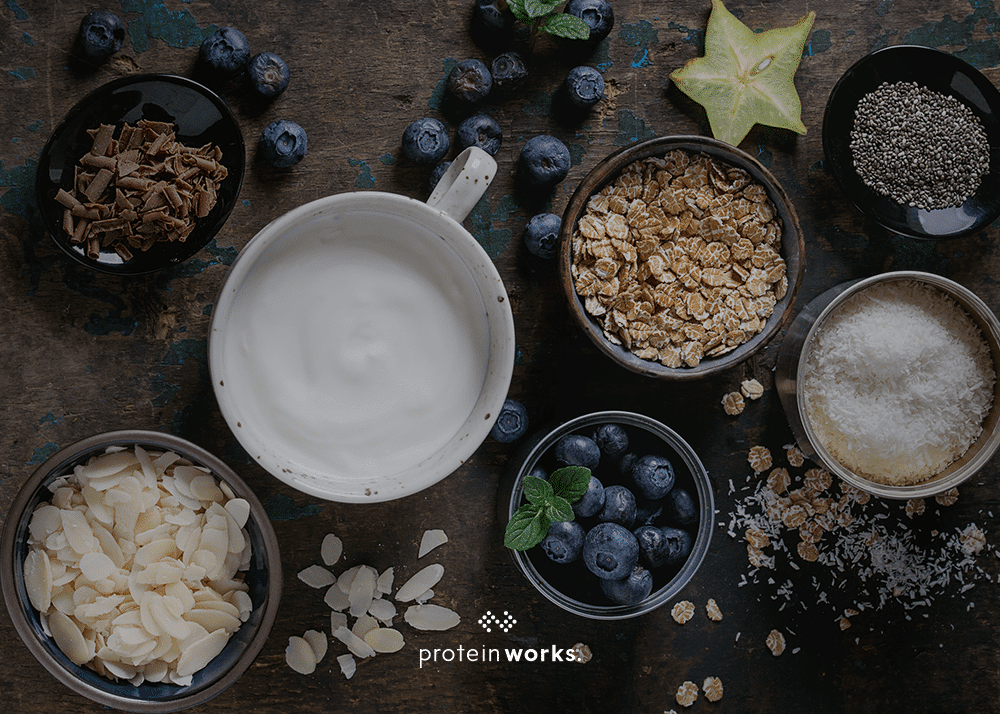
These foods come in two categories: conventional and modified. Conventional foods are naturally occurring, whole ingredients that are rich in vitamins, minerals, heart-healthy fats, and antioxidants. Tasty, nutritious, and always a winner on your plate. These include:
- Oats
- Berries
- Oily fish
- Leafy greens
- Nuts
- Seeds
- Legumes
- Fermented foods (sauerkraut, tempeh, kimchi, kombucha, kefir)
Modified foods are a little different, with extra ingredients added to improve the food’s health benefits. Vitamins, minerals, probiotics, fibre: these purpose-designed foods are fortified with everything you need to boost your body’s function. These include:
- Fortified dairy products, like milk and yoghurt
- Fortified cereal
- Fortified juice
- Fortified eggs
- Fortified grains, like pasta and bread
While whole foods will always be our number one priority, modified foods are a great option if you have specific health concerns that you want to address through your diet.
How do functional foods work?
By supplying your body with active ingredients, everyday biological processes get a little extra boost. The nutrients they provide help to support energy production, digestion, immunity and recovery, combining various ingredients together to create a veritable recipe for wellness.
While you could get these minerals from supplements, consuming them through your food gives a couple of advantages. Firstly, this may allow the active ingredients to be absorbed better as you digest the food itself. And secondly, functional foods are designed for regular, daily use over a long period, so it’s that bit easier to stay consistent with your diet and mineral intake.
Choose foods with a great overall profile, or get specific with the function you’re looking for: it could just take a couple of small dietary additions to get you feeling your best.
Why are functional foods becoming so popular?
In today’s busy world, it can be difficult to fit in all the things we need to stay healthy. Many of us need convenient options that don’t force us to sacrifice nutrition, so fortified foods are especially helpful. If you can support your body’s functions via your morning cereal, what’s not to like?
Preventative diets are also important for our long term health. Rather than fixing issues once they arise, fortified foods help us support our bodies in the long run, saving us plenty of time and stress in the future. This is especially important at the moment, as many people are consistently missing their micronutrient needs. In fact, more than 90% of us in the UK aren’t eating enough fibre. By focusing on hitting the recommended targets now, you could reduce your risk of various diseases and ailments later down the line – and functional foods make this much easier.
Common types of functional foods and what they support
Whether you are looking for an all-rounder option to hit your nutrition goals, know of a gap in your diet that needs filling, or are experiencing issues with a certain facet of health, there’s a functional food to help. Here are some of the most common types of modified foods and the parts of the body they support best:
Greens and superfood blends
Super greens powders typically contain leafy greens, algae, and other antioxidant-rich plant extracts. If you don’t get enough greens in your diet, these blends are a great way to up your intake in one fell swoop.
Greens are a huge help for:
- Daily micronutrient intake
- Gut health and digestion
- Energy levels
- Brain function
- Immune health
So, if any of these are a focus for you, adding a greens blend into your daily routine could be just what you need.
Functional proteins
One of the most popular functional foods are protein shakes. Often enhanced with added ingredients like digestive enzymes, probiotics and adaptogens, these shakes are an invaluable way to meet your protein goals and maintain your overall wellbeing.
Functional proteins will support:
- Muscle health
- Satiety
- Digestive comfort
If you’re trying to consume more protein, look for powders or shakes with added functional ingredients for an easy wellness boost!
Functional drinks
There are a huge range of functional shakes on the market, covering all the nutritional bases. From collagen to electrolytes to adaptogen blends, these drinks have been designed to support your body and brain at all stages.
These drinks are great for:
- Skin health
- Joint health
- Hydration
- Stress management
Whatever you want to target, there will be a functional drink to fill the gap – and many of them will be fortified with various active ingredients, giving you more bang for your beverage.
How to choose the right functional foods for your lifestyle
Picking functional foods to add to your diet is quite simple, and it all starts with your goals. Are you wanting more energy? Struggling with digestive issues? Needing an immune boost? Once you know what end result you want, you can work backwards to discover which functional foods will get you there.
Once you know which foods you want to add, make sure you check the ingredients list on products you’re interested in. You’re looking for recognisable, evidence-backed ingredients in meaningful doses – trace amounts of these functional ingredients won’t do the job.
The format matters, too. If you already have a busy routine, powders and shakes will be your best friend, since they’re quick, easy, and packed full of nutrition. If you have more time on your hands, focusing on adding functional whole foods into your recipe rotation is a tasty way to support your body.
However you choose to consume them, the benefits from functional foods come from regular use over a long period of time. Don’t expect any noticeable change after the first shake; stay consistent with it for as long as you can, and you’ll feel the benefits.
Support your body with functional foods
Most healthy adults have gaps in their nutrition that would be well-filled by functional foods. These goodness-packed eats are the perfect practical way to build a lifestyle that truly supports your body in the long run. They’re not a quick fix, but incorporating them into a balanced diet alongside healthy habits could make a big difference.
Want to get started with functional foods? We know a good place to start. Our shakes and food & snacks are formulated by experts with high-quality ingredients, from entry level formulations to advanced blends.
Not sure which shake is right for you? Our expert team have put together this quiz to help you find the right product for your goals!


References
How to eat more of the lifesaving nutrient 90% of us lack | BBC Food
What Are Functional Foods? All You Need to Know | Heathline
Lang, Tim. “Functional foods.” BMJ (Clinical research ed.) vol. 334,7602 (2007): 1015-6.