Best Meal Replacement Shakes for GLP-1 Users (2026 Guide)

If you’re on a GLP-1 medication, your appetite has probably dropped – but your nutritional needs haven’t. If anything, they’ve increased. The challenge is knowing what to eat when you’re eating less, and that’s where most people struggle. When every meal is smaller, every calorie has to work harder. Protein, fibre, vitamins, minerals, hydration – all of it matters more. Meal replacements can help, but most aren’t designed with GLP-1 users in mind. This guide breaks down exactly what your body needs on a GLP-1, what to look for in a shake, what to avoid, and how Protein Works’ GLP-1 range is built to cover all of it. You can also watch the full video guide below. The best meal replacement shakes for GLP-1 users – lets’s get into it:
What Your Body Actually Needs on a GLP-1
Eating less food doesn’t mean needing fewer nutrients – it means you have fewer opportunities to get them. There are four nutritional pillars every GLP-1 user needs to prioritise.
1. Protein
Reduced calorie intake on a GLP-1 significantly increases the risk of losing lean muscle mass – not just fat. Studies show that up to 40% of weight lost on GLP-1 medications can come from lean body mass. A recent real-world study found that 88% of GLP-1 users aren’t hitting their recommended protein intake.
Experts recommend GLP-1 users aim for at least 1.2g of protein per kilogram of bodyweight per day – nearly double the standard dietary guideline. That’s a challenging target when your appetite is suppressed.
2. Fibre
GLP-1 medications slow gastric emptying, which can contribute to digestive discomfort. Fibre plays a key role in supporting gut health, promoting regular digestion, and keeping you feeling satisfied between meals. If you’re eating less overall, your fibre intake is almost certainly falling short too.
3. Vitamins & Minerals
Less food means fewer micronutrients. Over time, this can affect energy levels, immune function, bone health, and overall wellbeing. The most commonly reported deficiencies in GLP-1 users include vitamins B12 and D, iron, and calcium. A well-formulated shake should cover at least 24 essential vitamins and minerals per serving.
4. Hydration & Electrolytes
This one is frequently overlooked. Reduced appetite naturally leads to lower fluid intake, while nausea and GI side effects can further impact hydration levels. It’s not just about drinking more water – it’s about maintaining the right balance of key electrolytes like sodium and potassium, which support fluid balance, normal muscle function, and your body’s ability to absorb and retain water effectively.
Why Meal Replacements Work Well on a GLP-1
A well-formulated meal replacement shake delivers high-quality protein, fibre, a full spectrum of vitamins and minerals, and key electrolytes – all in a single, convenient serving. Because GLP-1 medications slow gastric emptying, large meals can feel uncomfortable. A liquid shake is nutrient-dense but lower in volume, making it much easier on the digestive system.
This isn’t about replacing everything you eat. It’s about making sure that when you do eat, every calorie is working hard for you. And unlike cooking a full meal, a shake takes seconds to prepare.
What to Look for in a Meal Replacement Shake
Use these four criteria as your checklist when reading a label:
Protein
Look for at least 20g of high-quality protein per serving with a complete amino acid profile – including all nine essential amino acids. Both dairy-based options (like whey) and plant-based blends (pea, soy, rice) can deliver a complete profile. Always check the label.
Fibre
A meaningful fibre content supports healthy digestion, keeps things regular, and helps you feel satisfied between meals – especially important on a GLP-1.
Vitamins & Minerals
A nutritionally complete shake should provide at least 24 essential vitamins and minerals per serving. Look specifically for B12, vitamin D, iron, and calcium – the nutrients GLP-1 users most commonly fall short on.
Electrolytes
The best shakes for GLP-1 users include sodium and potassium to support fluid balance and help your body absorb water effectively. If your shake contributes to your daily fluid intake, that’s a bonus.
What to Avoid
Not all meal replacements are made equal – some are actively working against you on a GLP-1.
- High added sugar – spikes blood glucose and offers no nutritional benefit. It takes up precious calorie space that should be going toward protein and nutrients.
- High-fat formulas – fat is important in a balanced diet, but meal replacements loaded with fat can slow digestion even further. On a GLP-1, your gastric emptying is already delayed, which can worsen nausea.
- Large serving volumes – if a shake requires 500ml or more of liquid to mix, it’s probably not designed for someone with a suppressed appetite. You want concentrated nutrition in a smaller volume.
- Incomplete formulas – if a shake is just protein and flavouring with no fibre, vitamins, or electrolytes, it’s missing three of the four pillars your body needs right now.
How Protein Works Supports GLP-1 Nutrition
Protein Works’ GLP-1 range is designed to cover all four nutritional pillars in a format that fits easily into your day. Every product delivers:
- 20g+ of premium-grade protein with a complete amino acid profile
- Meaningful fibre to support digestion and satiety
- At least 24 essential vitamins and minerals, including B12, vitamin D, iron, and calcium
- Key electrolytes – sodium and potassium – to support hydration and fluid balance
- Dairy and plant-based options, depending on your preference
Two standout options from the range:
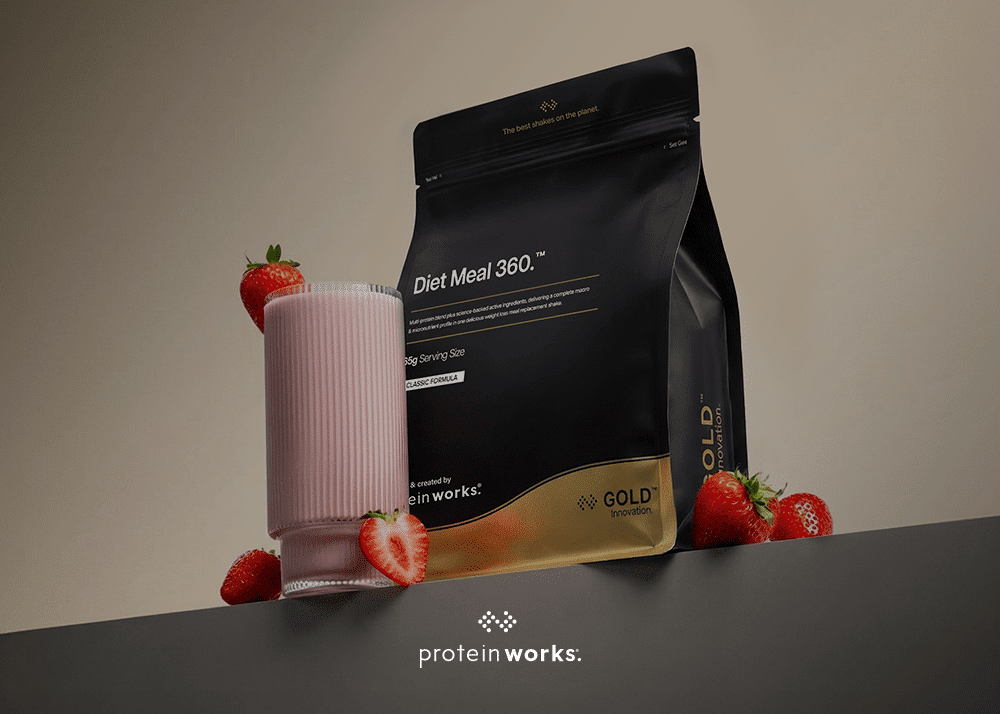
- Diet Meal 360 – higher protein, lower calorie. Designed for those prioritising lean muscle protection while managing weight.
- Complete 360 Meal / Vegan Complete 360 Meal – a more balanced, nutrient-dense shake that works as part of a healthy, balanced diet.
That’s it, that’s how you choose the best meal replacement shakes for GLP-1 users in 2026.
Got any questions? Don’t hesitate to reach out to us across any of our social platforms, including Instagram, TikTok and Facebook.
Frequently Asked Questions
What should you eat on a GLP-1 medication?
Focus on nutrient-dense foods high in protein, fibre, and key micronutrients. Hydration and electrolyte balance also become more important as overall food intake drops.
Are meal replacement shakes good for GLP-1 users?
Yes, if well-formulated. Look for shakes covering all four pillars: protein, fibre, vitamins and minerals, and electrolytes in a manageable serving volume.
How much protein do GLP-1 users need?
Aim for 1.2–1.5g per kilogram of bodyweight per day. A shake with 20g+ of complete protein per serving helps bridge the gap when appetite is suppressed.
What vitamins are GLP-1 users most deficient in?
B12, vitamin D, iron, and calcium are the most commonly reported deficiencies as food intake reduces.
Do GLP-1 users need electrolytes?
Yes. Reduced appetite and GI side effects can disrupt hydration. Sodium and potassium support fluid balance and help your body absorb water effectively.
What should I avoid in a meal replacement on a GLP-1?
High added sugar, excessive fat, large serving volumes, and formulas that only contain protein without fibre, vitamins, or electrolytes.
What is the best meal replacement for GLP-1 users in 2026?
One that covers all four pillars: 20g+ complete protein, meaningful fibre, 24+ essential vitamins and minerals, and key electrolytes — in a low-volume, easy-to-consume format.
Explore the Full GLP-1 Range
If you’re on a GLP-1 and want to make sure you’re getting the nutrition your body needs, explore the full range here.