
I’m a Dietitian And These Are The 5 Vegan Supplements I Take

If there’s one thing my friends would say that I’m not, it would be ‘relaxed – especially when it comes to anything health related. Before I start taking almost any supplement, I’ll usually disappear down a rabbit hole of research papers, nutrition guidelines and systematic reviews, making sure that if I do choose to take a supplement, there’s a decent evidence base suggesting it could be beneficial for me personally. And that last bit is important. Because despite what the internet can sometimes make it seem like, supplements (and vegan supplements!) aren’t something everyone automatically needs. Nutrition is nuanced. Lifestyle, dietary pattern, training, health status and blood work can all influence whether a supplement is necessary.
This article is a little insight into the supplements I personally take as a vegan, based on all those factors. However, it isn’t suggesting that every vegan needs to do the same. Nor is it suggesting supplements are only relevant for vegans. Every diet has nutritional considerations, and supplementation should always be based on individual needs, not assumptions.

1. Vitamin B12
Vitamin B12 was one of the first vegan supplements I ever bought with my own money. It contributes to normal red blood cell formation, functioning of the nervous system, and the reduction of tiredness and fatigue1. And for those on a vegan diet, it’s one of the few nutrients that usually requires some intentional planning.
This is because, while historically humans likely consumed traces of B12 through soil and untreated water contamination on plant foods, modern sanitation and food systems have largely removed that source meaning plant foods are not considered dependable sources2.
This is objectively a good thing from an infectious disease perspective, but less helpful for our B12 intake. So, for people eating plant-based diets, B12 needs to come from either3:
- fortified foods (like fortified plant milks, yoghurts, breakfast cereals, nutritional yeast and yeast extracts),
- supplements,
- or a combination of both
It is possible to meet B12 requirements through fortified foods alone, but it usually takes a little intentional planning, as our absorption of B12 becomes less efficient at higher doses4.
That’s why I personally choose to use a combination of fortified foods and supplementation. If I haven’t quite had enough B12-rich foods across the day, my supplement helps me cover that intake more consistently. Importantly, the use of B12 supplementation for plant-based eaters is supported by dietetic and nutrition organisations globally3,5,6.
2. Vitamin D
Vitamin D contributes to the maintenance of normal bones, teeth, muscle function, and immune system function1.
While some foods naturally contain vitamin D, such as oily fish, dietary sources overall are fairly limited, regardless of dietary pattern7. For vegans, options become narrower still, with fortified foods doing much of the heavy lifting.
Combine this with the fact that from around October to March, sunlight exposure in the UK simply isn’t reliable enough for most of us to produce adequate vitamin D through skin alone, UK guidance recommends that everyone consider a daily 10ug vitamin D supplement during autumn and winter7. And herein lies my reasons for supplementing!
3. Omega-3
Nutrition science is rarely as absolute as the internet wants it to be, and omega-3s are a great example of that, making it the supplement category where I probably spend the most time sitting in scientific uncertainty.
ALA is a type of omega-3 found in foods like flaxseeds, chia seeds, walnuts and hemp seeds. The body can convert ALA into the biologically active forms EPA and DHA, but the conversion rate is relatively inefficient and highly variable between individuals8,9,10. For this reason, there is an ongoing question within plant-based nutrition whether relying solely on this conversion is reliable long-term, or whether directly supplementing with EPA/DHA should be considered11.
While suggestions for supplementation exists for those with increased needs, such as pregnant and breastfeeding plant-based eaters10,8,12,16, the evidence for routine supplementation in the general population is still evolving. For now, I take a fairly balanced approach: on days where I haven’t had my usual omega-3-rich foods (typically overnight oats with flax and chia seeds!) I’ll often take an algae-based DHA/EPA supplement to cover my basis.
4. Vegan Protein Powder
As someone whose sport has been weightlifting since a teenager, I definitely went through the stereotypical gym-goer phase of believing owning a protein shaker bottle was essential. But through studying nutrition, and later becoming a Dietitian, I realised that most people eating enough food overall are also likely meeting their protein needs13 – myself included.
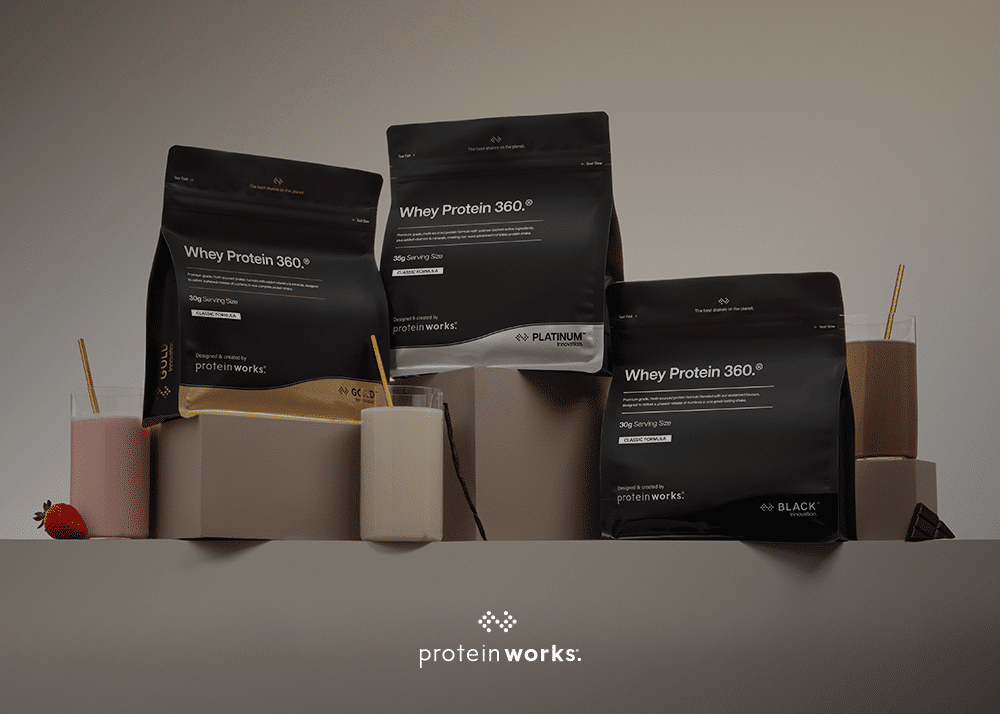
Protein powder is exactly what the name suggests: It’s designed to supplement a diet, not replace one. I know I can comfortably meet my protein needs through a balanced plant-based diet alone, and as a Dietitian, food first is always our default approach. However, convenience matters sometimes. There are days where I might not have access to my usual meals, and times where I simply enjoy adding a vegan protein powder to things like overnight oats, smoothies or baking because I genuinely enjoy it!
So, while it’s very normal for me to have a bag of vegan protein powder in my kitchen, I don’t view it as a daily nutritional necessity, but rather a practical tool that can occasionally make life a little easier (and my baked oats super fudgy!).
5. Creatine
Creatine is associated with supporting performance during short-duration, high-intensity exercise14,1. However, dietary sources are predominately found in foods like meat and fish, meaning baseline muscle creatine stores may be lower in people following plant-based diets14.
For this reason, some researchers have suggested supplementation may be particularly relevant for vegans and vegetarians involved in high-intensity training14. As someone who meets this description, this broadly reflects the main reason I take it – specifically, creatine monohydrate.
Beyond exercise performance, researchers have also started exploring creatine’s potential role in other areas of health, including muscle and brain function14,15. However, much of this research is still developing. It’s also important to note that creatine may not be appropriate for everyone, particularly for people living with kidney disease or certain medical conditions14,15. Therefore, its important you speak with an appropriate healthcare professional before supplementing creatine.
Final Takeaway
The goal is to build a dietary pattern that supports your health, your lifestyle and your values in a sustainable way. Sometimes utilising supplements alongside a healthy and varied diet may support us in achieving these things, and that is completely fine, but the key is viewing them as exactly that: a supplement, and not a replacement.


Disclaimer: The information in this article is based on current scientific evidence and is intended solely for educational and informational purposes for the general adult public. The content reflects general principles within nutritional science and should not be used as a substitute for tailored medical advice. Any product links and promotions do not constitute specific endorsements from me as a healthcare professional. Readers should consult an appropriate healthcare professional before making significant dietary changes. Particularly if they have an underlying medical condition or take prescribed medication.
References
- https://www.gov.uk/government/publications/great-britain-nutrition-and-health-claims-nhc-register
- https://plantbasedhealthprofessionals.com/micronutrients
- https://www.bda.uk.com/static/5378b751-58bd-4e85-b15b360d8165a3f8/Practical-guide-other-sources-of-B12.pdf
- https://www.vegansociety.com/resources/nutrition-and-health/nutrients/vitamin-b12
- https://www.nhs.uk/live-well/eat-well/how-to-eat-a-balanced-diet/the-vegan-diet/
- https://pmc.ncbi.nlm.nih.gov/articles/PMC10030528/
- https://www.nhs.uk/conditions/vitamins-and-minerals/vitamin-d/
- https://onlinelibrary.wiley.com/doi/abs/10.5694/mja11.11507
- https://scholar.google.com/scholar_lookup?doi=10.1139%2Fapnm-2020-0994&pmid=33583256
- https://ods.od.nih.gov/factsheets/Omega3FattyAcids-HealthProfessional/#h9
- https://www.jandonline.org/article/S2212-2672(25)00042-5/fulltext
- https://www.cochranelibrary.com/cdsr/doi/10.1002/14651858.CD003402.pub3/full
- https://pmc.ncbi.nlm.nih.gov/articles/PMC6893534/
- https://pmc.ncbi.nlm.nih.gov/articles/PMC11723027/
- https://plantbasedhealthprofessionals.com/worried-about-creatine-on-a-plant-based-diet
- https://plantbasedhealthprofessionals.com/fish-and-omega-3-fatty-acids-the-bottom-line