What are Fermented Foods and Why is Everyone Eating Them?

They’ve been around for millennia, but the modern craze is only just happening: fermented foods have been hailed as gut-healing miracle workers, and the wellness world (and world in general) can’t get enough. In fact, there was a 139% rise in searches for ‘fermented food’ on Ocado just two years ago. But what are fermented foods exactly, and is everything they can offer us really worth the hype? We’re getting to the bottom of it.

What are fermented foods?
‘Fermented food’ is the label given to any food or drink made through controlled microbial growth. Foods such as yoghurt, kefir, sauerkraut, kimchi, miso, kombucha and sourdough are all fermented foods (so you’re probably eating some already). Fermenting is an old preservation method dating back tens of thousands of years, but this surge in popularity we’re seeing now is very new – so much so that the evidence for its efficacy might not be all it’s cracked up to be. But we’ll get onto that later.
Why is everyone eating them?
Gut health is the latest wellness buzzword, and it’s this that’s a huge driver of the fermented food frenzy. Kimchi, kefir, miso and sauerkraut are being recommended left, right and centre to promote your gut health, with these items becoming supermarket staples. And with shoppers keen to find less processed foods, and the research about how tied up the gut is with other parts of your body (brain and skin included), it’s no wonder fermented foods are having their moment in the sun.
According to the Canadian Digestive Health Foundation, some of the health benefits from fermented foods include:
- Improved ability to digest lactose
- Improvement in bone health
- Weight management
- Improvement in blood pressure
- Reduced risk of developing heart disease
- Reduced risk of developing type 2 diabetes
- Reduced risk of developing colon cancer
They’re also a great vegetarian option, with a huge number of recipes catered to them. With their added savoury and complex flavour, fermented vegetables can be brought front and centre in meals where vegetables were previously just a side option. Encouraging people to be more creative in the kitchen and perhaps cut down on the meat they’re consuming, fermented foods could well be the future of nutrition.
Fermented foods vs. probiotics
When we’re speaking of gut health, it’s all about the pro- and prebiotics. These are what make up the ‘good’ microorganisms that live in your gastrointestinal tract, and without them, your body would suffer a whole host of negative impacts – from metabolic functions to immunity. Probiotics are the microbes themselves, and prebiotics feed said microbes that already exist in your gut. The problem is, when it comes to fermented foods, not all of them contain live cultures, and even those that do might not meet the definition of a probiotic.
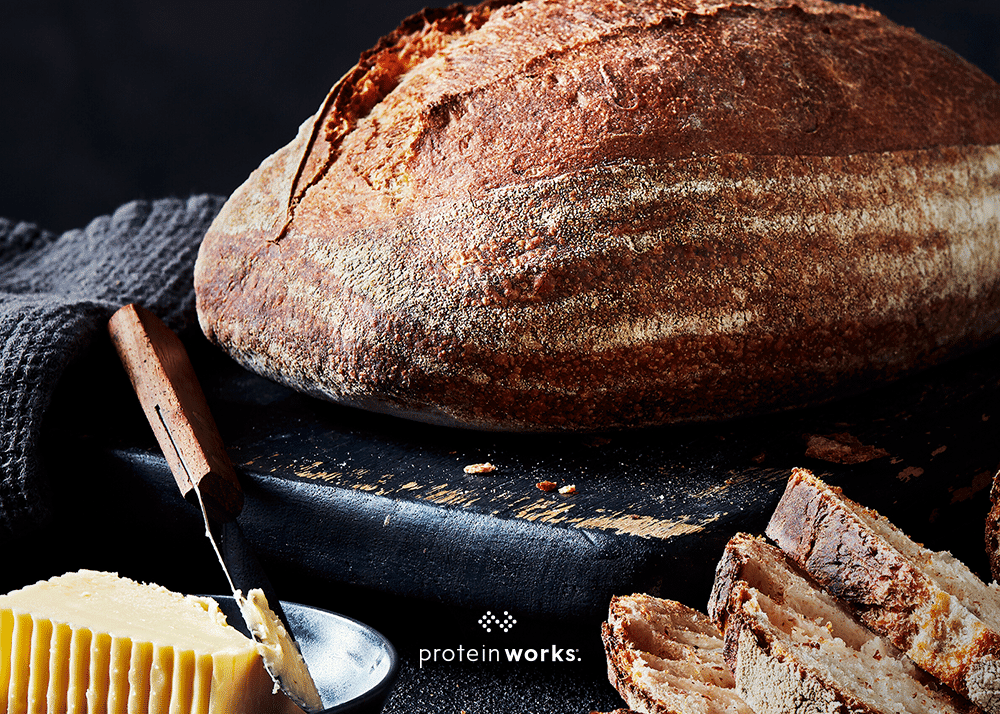
Plenty of fermented foods undergo further processing after the fermentation, like pasteurising, smoking or baking, all of which kills those active bacteria created in the first place. This includes things like beer and wine, tempeh and sourdough bread.
However, some foods will reach your kitchen with these microbes intact, like yoghurt, kefir, uncooked sauerkraut and kimchi. But this doesn’t mean they count as probiotics: they need to contain a certain amount of the microbes to do so.
If you feel you need more probiotics in your body, a supplement like our Gut Love formula is an excellent, convenient option.
What does the evidence say?
The research is still coming in on this one. Kefir is currently the most widely studied fermented food, showing evidence of helping with lactose absorption and eradication of an unhelpful bacterium that infects the stomach (Helicobacter pylori, if you’re wondering). But in general, most recent research has struggled to find a causative link between fermented food and impact on gastrointestinal health.
That said, the early evidence from kefir is promising, so we’re not ruling more proof out in the future. In the meantime, though, the flavour benefits alone are a great effect of fermented foods, so there’s no harm in continuing to enjoy them while the research ticks on in the background.
Why fibre matters too
All this talk about fermented food and probiotics – but the real star of the show is something else. Fibre is vital to gut health, feeding those helpful bacteria already in your gut. When the gut bacteria breaks down this fibre, they produce short-chain fatty acids that may support digestive health, immunity and inflammation. It also supports regular digestion, especially when you drink enough fluids, and keeps you fuller for longer if you’re trying to manage your appetite. Basically, there’s no use in eating fermented foods if you’re not also eating plenty of fibre.
Only 4% of UK adults actually eat enough fibre on a daily basis. But it’s easier than you might think to up your intake: wholegrains, lentils, chickpeas, beans, and that good old fruit and veg 5 a day are all fibre-rich foods, and so simple to add into a meal. However, if you’re not eating a lot of fibre, introduce it slowly into your diet, as it can cause bloating and cramps if added all at once.
Support your body with fermented foods
Fermented foods are a tasty, food-first way to support your gut and your body – but they’re not a magic fix. Plenty of shop-bought options contain added sugars, processed elements, or have been through processes that have killed the live bacteria, so be aware of what you’re buying. If you’re looking to improve your gut health, fermented foods are certainly not going to hurt – but focus more on probiotic supplements for the real boost.
Learn more about our Gut Love formula.



References
UK still failing to meet basic dietary guidelines | The Food Foundation
Probiotics vs Fermented Foods | Canadian Digestive Health Foundation
Can fermented food move beyond the hype? | Positive.News
Dimidi, Eirini et al. “Fermented Foods: Definitions and Characteristics, Impact on the Gut Microbiota and Effects on Gastrointestinal Health and Disease.” Nutrients vol. 11,8 1806. 5 Aug. 2019.