
Yes. Your body still needs protein on rest days.
Training might be the stimulus that challenges your muscles, but recovery does not stop when you stop exercising. Your body continues repairing and adapting after exercise, which means your overall protein intake still matters on the days when you are not training.
What you do not necessarily need is a protein shake.
A protein powder is simply a convenient way to add more protein to your diet. If you can comfortably get enough protein from meals and snacks on a rest day, there is no requirement to drink a protein shake. If your normal food leaves you short of your protein target, a shake can make filling the gap much easier.
So the better question is not:
Should I drink a protein shake on rest days?
It is:
Am I getting enough protein across the whole day?
For most active people, consistency matters more than whether their protein comes immediately before or after exercise.

Why Do You Need Protein on Rest Days?
Protein is a macro nutrient that is required for much more than exercise itself.
It provides amino acids that the body uses for essential functions, including (but not limited to), the maintenance and repair of muscle tissue.
When you perform resistance training, running, sport or another challenging form of exercise, the body does not complete the recovery process the moment the session ends.
Recovery continues afterwards.
That is one reason nutrition guidance tends to focus on daily protein intake and distributing protein across the day, rather than treating any post-workout shake as the only protein that matters.
Your rest day is therefore still part of your programme.
You might not be exercising hard, but your body is responding to the work you have already done and preparing for the movement still to come.
Does Your Protein Requirement Drop on a Rest Day?
For most people following a regular training programme, there is usually no need to dramatically reduce protein simply because it is a rest day.
Your energy requirements may change.
For example, if you normally complete a long run or demanding gym session that burns a significant amount of energy, you may naturally eat slightly less on a day when you are less active.
Your carbohydrate requirements may also vary according to how much exercise you are doing and what you have planned next.
Protein is different.
If you are trying to support muscle maintenance, recovery or growth, keeping your protein intake reasonably consistent from day to day is usually a much more practical approach than repeatedly increasing it on training days and cutting it on rest days.
Think of your nutrition across the week rather than viewing each gym session in isolation.
Do You Need a Protein Shake on Rest Days?
No. You do not automatically need a protein shake just because you exercise.
Protein shakes are simply a form of food – an easy way to get more protein into your diet, not a compulsory part of exercise.
You can get protein from foods including:
- Chicken
- Turkey
- Fish
- Eggs
- Greek yoghurt
- Cottage cheese
- Milk
- Lean meat
- Tofu
- Tempeh
- Beans
- Lentils
- Soya products
- Other dairy or plant-based protein sources
If your meals already provide the amount of protein that suits your needs, adding a shake simply because it is a rest day is unnecessary.
However, there are plenty of situations where a shake can still be useful.
You might:
- Have a low-protein breakfast
- Be short on time
- Want a convenient afternoon snack
- Struggle to get enough protein from meals
- Have a busy working day
- Be travelling
- Prefer something quick after waking
- Want an easy way to increase the protein content of another meal
In those circumstances, a shake is doing exactly what it is designed to do: making your daily nutrition more convenient.
Protein Shakes Are Not Just Post-Workout Drinks
The idea that protein powder belongs exclusively in the post-workout window is one of the most persistent misconceptions around nutrition.
There is nothing wrong with having a shake after training.
It is convenient, quick to prepare and can be an easy way to add protein when you finish a session.
But protein powder does not suddenly stop being useful when you are not exercising.
You can use it at breakfast.
You can have it between meals.
You can add it to a smoothie.
You can incorporate suitable protein powder into recipes.
You can have a shake in the evening if that helps your overall diet.
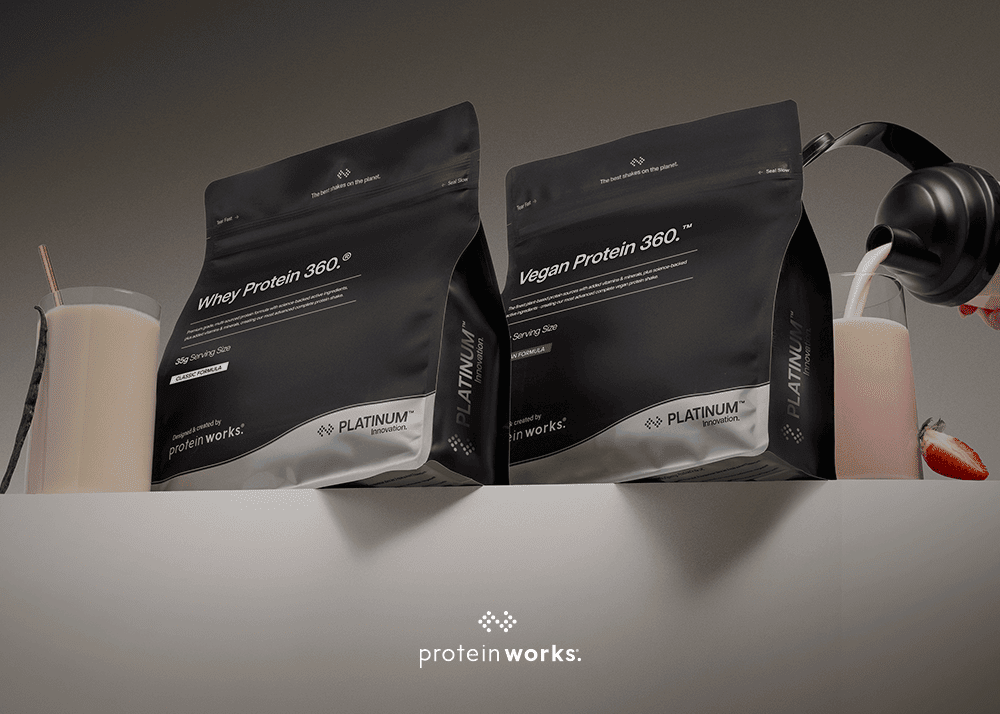
Protein Works itself positions products such as Whey Protein 360 as versatile protein sources that can be consumed anytime.
The role of the shake is to contribute towards your nutrition.
What Matters More: Protein Timing or Total Protein?
For the average person trying to improve their training, total daily protein intake should be one of the main priorities.
Timing can still be useful.
Spreading protein across several meals and snacks gives you repeated opportunities to consume protein throughout the day rather than trying to squeeze most of it into one enormous evening meal.
But there is little reason for a beginner to become obsessed with an extremely narrow post-workout window while ignoring what they eat for the remaining hours of the day.
Imagine two people.
Person A
They train at 6pm and immediately drink a high-protein shake.
But breakfast contains almost no protein, lunch contains very little and their overall daily intake is inconsistent.
Person B
They eat protein at breakfast, lunch and dinner, include a protein-rich snack and maintain a reasonably consistent intake throughout the week.
They do not always drink a shake immediately after training.
Person B has approached their overall protein intake more consistently.
The post-workout shake can be helpful, but it does not compensate for an otherwise poorly planned diet.
How Much Protein Do You Need on a Rest Day?
There is no single protein target that applies perfectly to everyone.
Requirements depend on factors including:
- Body weight
- Age
- Training type
- Training volume
- Goals
- Overall energy intake
- Dietary pattern
- Health circumstances
Someone who rarely exercises will have different needs from someone completing several resistance-training sessions each week.
Current UK sports nutrition guidance notes that people participating in strength and endurance sport typically require more protein than inactive adults, with requirements often discussed in the region of approximately 1.4 to 2.0 grams per kilogram of body weight per day.
That is a broad range rather than a target everyone should automatically pursue.
For example, someone weighing 70kg at 1.6g per kilogram would consume around 112g of protein across the day.
That protein could come from a mixture of whole foods and convenient protein products.
If you have a medical condition, specific dietary requirements or are unsure how much protein is appropriate for you, individual guidance from a registered dietitian or another suitably qualified professional is more useful than copying somebody else’s target.
Spread Protein Across the Day
Rather than thinking only about your daily total, consider how that protein is distributed.
A common problem is eating very little protein early in the day and then relying on one large dinner.
For example:
Breakfast: toast and jam
Lunch: small salad
Snack: fruit
Dinner: large chicken meal
There may be plenty of protein at dinner, but the rest of the day contains very little.
A more balanced rest day could include:
Breakfast: yoghurt, oats and fruit
Lunch: chicken, tofu or bean-based meal
Snack: protein shake or another protein-rich snack
Dinner: fish, lean meat, pulses or another protein source with vegetables and carbohydrates
The exact foods are flexible.
The principle is simply to provide protein at multiple points across the day.
Food or Protein Shake: Which Is Better?
Neither automatically wins.
Whole foods and protein shakes serve different purposes.
Food provides the foundation of your diet and can deliver protein alongside carbohydrates, fats, fibre, vitamins, minerals and other nutrients.
A protein shake offers convenience.
It can provide a substantial amount of protein without requiring you to cook another meal.
That can be particularly useful when appetite, work or time makes another full meal impractical.
The sensible approach for most people is not:
Food or shakes?
It is:
How can I use food and, if useful, protein shakes to create a balanced diet that I can actually maintain?
If you enjoy eating three or four protein-rich meals every day and comfortably meet your needs, you may rarely need a shake.
If breakfast is rushed and your working day makes regular meals difficult, a shake may make consistency considerably easier.
Should You Have the Same Shake on Training and Rest Days?
You can.
There is no need to use a completely different protein powder because you are resting.
If a particular whey protein powder or vegan protein powder fits your diet and goals, it can serve the same purpose on a rest day.
What may change is how you use it.
After exercising, you might have a shake because you want something quick and convenient before your next proper meal.
On a rest day, you might have exactly the same shake:
- With breakfast
- As an afternoon snack
- Between meetings
- When travelling
- To increase the protein content of a smoothie
The protein has not changed.
Only the reason and timing have.
What if You Are Trying to Lose Weight?
Protein still has a place on rest days when your goal is weight loss.
Weight loss ultimately requires managing overall energy intake over time, but that does not mean stripping protein from your diet whenever activity decreases.
Protein-rich meals and snacks can still form part of a calorie-controlled eating pattern.
The important point is to remember that a protein shake contains energy too.
Do not automatically add a shake on top of everything else simply because it contains protein.
Ask whether it has a purpose in your day.
For example, a shake might replace a lower-protein snack or help you build a more structured breakfast.
If you are already meeting your protein needs and your normal meals are satisfying, an additional shake may not be necessary.
What About Vegan Protein on Rest Days?
The same basic principle applies if you follow a plant-based diet.
Your body does not require whey specifically.
Protein can be obtained from plant-based foods and suitable vegan protein powders.
Useful food sources can include:
- Tofu
- Tempeh
- Lentils
- Beans
- Chickpeas
- Soya products
- Peas
- Nuts and seeds
- Higher-protein grains
Protein Works also offers Vegan Protein 360 and other plant-based protein options for people who prefer not to use dairy protein.
A vegan shake can therefore be used on a rest day in exactly the same practical way as a whey shake: as a convenient tool for helping you meet your overall nutritional needs.
Your Rest Day Nutrition Should Support Your Next Session
A rest day is not a break from nutrition.
It is part of the cycle that allows you to move your body consistently.
What you eat should therefore reflect both the session you are recovering from and what you plan to do next.
If tomorrow involves another demanding exercise session, your rest day is also an opportunity to arrive at that session well fed, hydrated and ready to perform.
Protein is one part of that.
Carbohydrates, fats, fruit, vegetables, fluids and overall energy intake still matter too.
A protein shake should never become a substitute for thinking about the rest of your diet.
Instead, use it where it makes good nutrition easier.
How to Decide Whether You Need a Shake on a Rest Day
A simple way to decide is to look at the day as a whole.
First, estimate how much protein you are likely to get from meals and snacks. Then ask whether there is a genuine gap.
If breakfast includes eggs or yoghurt, lunch contains a substantial protein source and dinner is built around meat, fish, dairy, tofu, pulses or another protein-rich food, you may already be well covered.
If the day looks more like toast for breakfast, a light lunch and a rushed evening meal, a shake may be a practical way to improve consistency.
The shake is not valuable because it is a rest day. It is valuable because it helps solve a nutritional gap.
What Should a Rest-Day Protein Routine Look Like?
There is no single ideal routine, but keeping things simple usually works best.
A useful approach is to include a meaningful protein source at three or four points across the day.
For example:
Breakfast: Greek yoghurt with oats and fruit
Lunch: chicken, tuna, tofu or beans with rice, potatoes or bread and vegetables
Snack: a protein shake, cottage cheese, yoghurt or another protein-rich option
Dinner: fish, lean meat, pulses or a plant-based protein source with carbohydrates and vegetables
This structure is flexible enough to suit different appetites, schedules and dietary preferences.
The main goal is consistency, not perfection.
Common Rest-Day Protein Mistakes
One common mistake is dropping protein dramatically because you did not exercise that day.
Another is assuming that every rest day requires a shake regardless of what you have already eaten.
People can also focus so heavily on protein that they neglect the rest of their diet.
A useful rest-day diet still needs:
- Carbohydrates for energy
- Fats as part of a balanced diet
- Fruit and vegetables
- Fibre
- Fluids
- Enough overall food to match your goals
Protein matters, but it works within the wider diet.
The simplest rule is to keep your protein intake reasonably consistent and use supplements where they make that easier.
Frequently Asked Questions
Should I drink a protein shake on rest days?
You can, but you do not have to. A shake is useful if it helps you meet your daily protein needs conveniently, regardless of whether you exercised that day.
Should I eat the same amount of protein every day?
For many regularly active people, keeping protein intake reasonably consistent is a practical approach. Your total energy and carbohydrate intake may vary more depending on activity.
Are whole foods better than a protein shake on rest days?
Whole foods should form the foundation of your diet, but shakes can be a convenient protein source. The best choice depends on what you have already eaten and what fits your day.
Can I drink whey protein even if I do not work out that day?
Yes. Whey protein is simply a convenient source of protein. It does not have to be consumed immediately after exercise to contribute towards your daily intake.
Make Rest-Day Nutrition Easier With The Protein Works
Rest days do not mean your nutrition stops mattering.
If you exercise regularly, maintaining a consistent protein intake can help support the recovery and maintenance of muscle while you prepare for your next session.
That does not mean you need to force down a protein shake every time you take a day off.
Start with your overall diet. Build meals around nutritious foods, include protein regularly throughout the day and use a shake when convenience makes it easier to reach your needs.
Protein Works offers a wide range of protein options, including whey and plant-based formulas, designed to fit around different diets, routines and lifestyle goals.